



Cases
Not only used on photovoltaic panels

-

 System
Self-Cleaning Nano Coating for Wood Processing Plant PV Station
-
 Place
PlaceGuangxi, China
-
 Date
DateSeptember 2024
-
 Application
Rooftop PV Station for Wood Processing, Steel, Aluminum, and Cement Plants
Project background
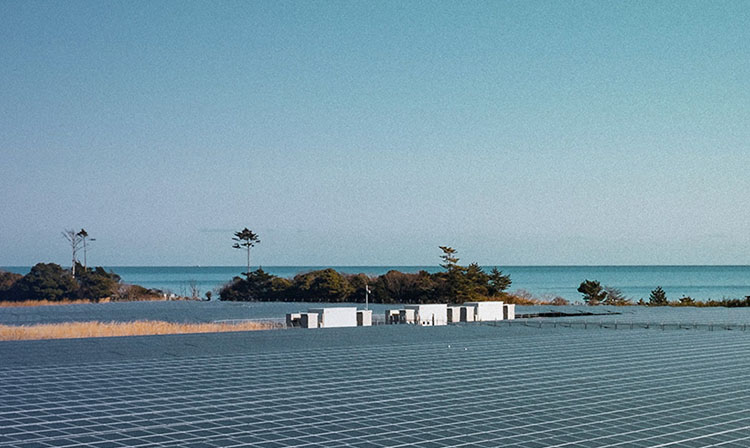
This wood processing plant is located in Liuzhou, Guangxi, and mainly produces mid-to-high-end solid wood furniture panels. A 2MW distributed photovoltaic system was installed on the factory rooftop to reduce electricity costs and support green manufacturing.
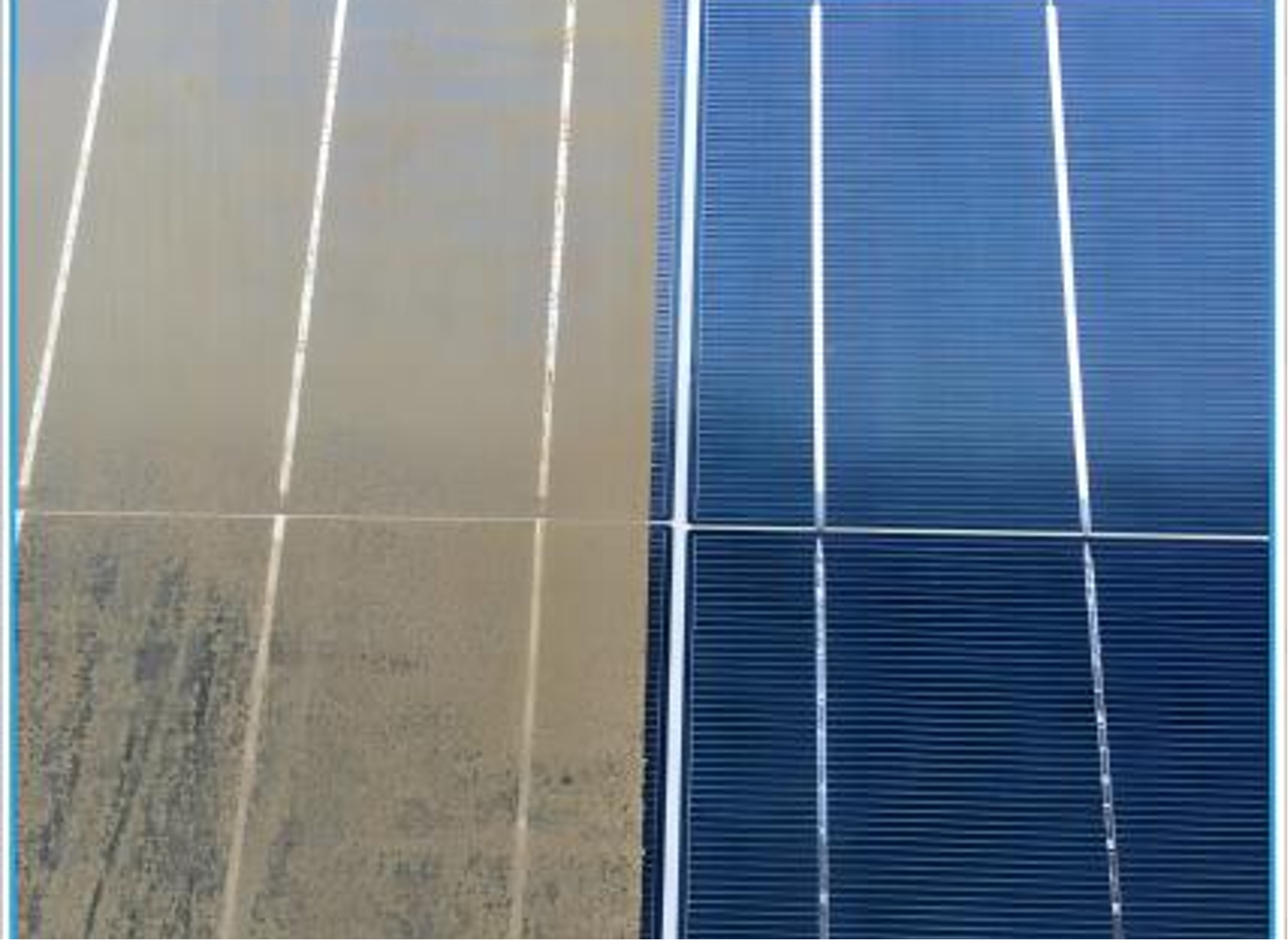
However, a large amount of wood dust generated during wood processing became a hidden threat to the photovoltaic system. Unlike ordinary dust, wood dust is sticky, highly moisture-absorbing, and easy to clump together. The high-temperature and high-humidity climate in Guangxi further intensified this problem. Once wood dust came into contact with moisture on the solar panel surface, it quickly formed stubborn contamination that was difficult to remove.
According to the plant’s technical manager, ordinary dust can usually be washed away by rain, but wood dust absorbs moisture and adheres tightly to the module surface, forming a shading layer. Because wood dust contains complex organic components, including resin and other sticky substances, it is much harder to clean than ordinary dust.
Before applying Yingcai nano coating, the PV power station faced three major pain points. First, power generation efficiency dropped significantly, with module efficiency losses of 12% to 15% caused by wood dust contamination. Second, cleaning and maintenance became difficult, requiring professional cleaners and repeated high-pressure rinsing. Third, safety risks increased, as frequent high-pressure rooftop cleaning could cause roof leakage and module microcracks.
Project introduction
To solve the special wood dust contamination problem in the wood processing plant, Yingcai New Materials developed a self-cleaning coating solution specially designed for wood-based dust pollution. The solution works through three coordinated mechanisms to effectively reduce the adhesion of wood dust to photovoltaic modules.
The coating uses a unique nano titanium dioxide composite formulation. Its photocatalytic function can decompose organic substances in wood dust, such as resin and oil-based sticky components. When ultraviolet light reaches the coating surface, highly active free radicals are generated, decomposing organic components in the wood dust into carbon dioxide and water. This reduces dust adhesion at the source.
In terms of surface microstructure, the Yingcai coating builds a nano-scale convex structure through a sol-gel process. This micro-nano dual roughness allows water to penetrate beneath the wood dust particles, creating a floating effect that helps detach sticky particles from the surface.
Application Process
In September 2024, Yingcai New Materials’ technical team entered the wood processing plant and carried out a three-day coating application project. The construction process included three stages: surface preparation, coating application, and post-treatment.
First, the construction team used a dedicated cleaner and soft brushes to thoroughly remove wood dust and stains attached to the module surface. The plant temporarily suspended production for one day to reduce the concentration of airborne dust and create optimal conditions for coating application.
The coating was applied using an automated atomizing spray system to ensure even distribution of the nano coating on the module surface. The coating thickness was controlled between 200 and 300 nm. This ultra-thin design did not affect module light transmittance while ensuring coating durability.
To ensure the coating remained stable in high-temperature and high-humidity environments, the team also adopted a special curing process. By controlling ambient temperature and humidity, the nano particles were promoted to form a stable three-dimensional network structure, allowing the coating to maintain excellent performance in Guangxi’s typical hot and humid climate.
After application, the technical team conducted comprehensive performance testing. The water contact angle test showed that surface hydrophilicity improved significantly, with the contact angle decreasing from 78° to 9.2°. Transmittance testing showed that the coating increased visible light transmittance by 3.7%. Adhesion testing confirmed that the bonding strength between the coating and the glass substrate met long-term outdoor application requirements.
Project Results
After applying Yingcai self-cleaning nano coating, the operation and power generation performance of the wood processing plant’s PV station improved significantly. The coating investment was fully recovered through power generation gains and maintenance savings in less than one year.
In terms of power generation performance, the station’s average power generation efficiency increased by 8.3%, and the improvement reached up to 12% during the rainy season. For a 2MW photovoltaic system, this means an additional annual power generation of approximately 160,000 kWh, equivalent to about RMB 90,000 in additional annual revenue based on the local industrial electricity price.
Maintenance costs were also significantly reduced. Cleaning frequency decreased from 0.5 times per month, or 6 times per year, to only 2 times per year. The cleaning method changed from high-pressure water washing with cleaning agents to ordinary low-pressure water rinsing. The cost of each cleaning operation was reduced by more than 60%, saving approximately RMB 40,000 in annual maintenance expenses.
The project also brought clear environmental benefits. Fewer cleaning operations mean significant water savings. Compared with traditional cleaning methods that consume around 10 tons of water per cleaning cycle, the solution saves more than 40 tons of water annually. At the same time, the use of chemical cleaning agents was avoided, reducing environmental pollution.
The coating also helps extend module service life. Traditional high-pressure cleaning may cause microcracks and accelerate module aging. The self-cleaning coating reduces physical cleaning damage and is expected to extend module service life by 2 to 3 years.
Customer value
The application of Yingcai nano coating delivered both economic and environmental value for the Guangxi wood processing plant.
Power generation efficiency improved by an average of 8.3%, and the improvement reached up to 12% during the rainy season. Cleaning frequency was reduced from 6 times per year to 2 times per year. Cleaning costs dropped by more than 60%, saving approximately RMB 40,000 in annual maintenance costs. The investment payback period was only about 11 months.
Beyond economic benefits, the project also reduced water consumption and eliminated the need for chemical cleaning agents. This supported the plant’s green manufacturing goals and reduced environmental impact.
With increasing demand for clean energy in industrial sectors and the continued promotion of carbon neutrality goals, rooftop PV systems on industrial buildings are expected to grow rapidly. Yingcai self-cleaning nano coating technology provides key support for the large-scale application of industrial rooftop photovoltaic systems.
Yingcai New Materials is also developing dedicated coating solutions for more industrial pollution scenarios, including anti-oil coating for food processing plants, anti-chemical deposition coating for chemical plants, and anti-metal dust coating for metal processing plants. These products will help more industrial enterprises overcome contamination challenges and make better use of rooftop space for solar power generation.
The coating technology will continue to evolve. The next generation of products will integrate self-cleaning, transmittance enhancement, cooling, and other functions into one system, helping PV modules maintain high-efficiency power generation even in harsh industrial environments. For high-temperature regions in southern China such as Guangxi, the new coating can reflect more infrared radiation, lower module operating temperature, and further improve power generation efficiency.
Product Inquiry
-
Purchase products
-
Become a partner
-
After-sales service

-
1.Project background
-
2.Project introduction
-
3.Customer value
-
4. Product Inquiry


