


Cases
Not only used on photovoltaic panels

-

 System
PV Power Station Self-Cleaning Nano Coating Technical Service
-
 Place
PlaceChenzhou, Hunan, China
-
 Date
Date2025/1/19
-
 Application
Distributed PV Power Stations, Centralized PV Power Stations, Industrial and Commercial Solar Power Stations
Project background
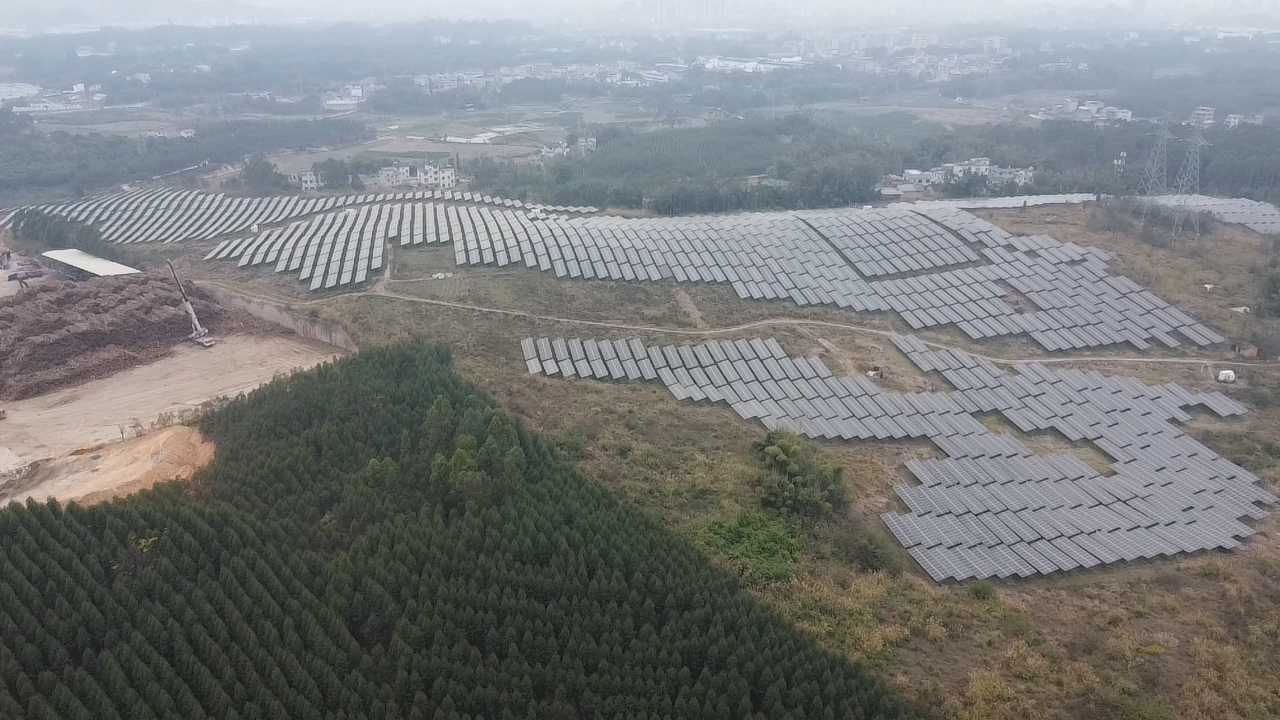
The 200MW PV power station in Chenzhou, Hunan, is a grid-parity photovoltaic base project invested and constructed by a new energy enterprise. Built in phases and connected to the grid for operation, the project was one of the key photovoltaic projects launched in Hunan Province during the same year. It is expected to generate approximately 180 million kWh of electricity annually, equivalent to reforesting about 7,000 mu of land, supporting green energy development, contributing to the dual-carbon target, and creating strong momentum for local economic sustainability.
However, during long-term operation, the power station faced significant challenges caused by local climate and geographical conditions. Chenzhou has a subtropical monsoon humid climate, with distinct seasons, variable spring weather, hot and humid summers, frequent droughts in autumn, and an average annual rainfall of 1,452.1 mm. Rainfall is mainly concentrated from April to June, and the annual number of rainy days reaches about 176. At the same time, the power station is surrounded by hilly terrain, dense vegetation, and high levels of sand, dust, mud, bird droppings, plant debris, and other pollutants.
Pollution on the surface of PV modules acts like an invisible sunshade. It blocks sunlight, reduces glass transmittance, and can also trigger hot-spot effects. In shaded areas, some cells can shift from power generation to power consumption, causing local temperatures to rise above 150°C in severe cases, damaging modules and shortening service life. According to relevant research data, every 10 tons of dust accumulation per square kilometer of PV modules may cause power generation efficiency to drop by 5% to 8%. In a region like Chenzhou, where rainfall is frequent but unevenly distributed, PV modules that are not cleaned for three months may suffer more than 20% efficiency loss, resulting in a significant decline in annual power generation.
More importantly, the power station has a total installed capacity of 200MW, and the PV module area exceeds 930,000 square meters. As most module areas are located on hilly slopes with inconvenient transportation, traditional manual cleaning is not only time-consuming and labor-intensive, but also costly and risky for workers operating at height. High-pressure water cleaning consumes large amounts of water, may damage the coating or surface of PV modules, and often fails to solve the problem of persistent pollutant adhesion. Therefore, solving cleaning difficulties, reducing O&M costs, and improving power generation efficiency became the key to long-term stable operation of the power station.
Project introduction
Yingcai Self-Cleaning Nano Coating: Technical Innovation and Adaptability
To solve the O&M challenges of the Chenzhou 200MW PV power station, the project team conducted multiple rounds of research, technical comparison, and small-scale pilot testing. Finally, Yingcai photovoltaic self-cleaning nano coating was selected for full application, building a new O&M model featuring low labor demand, self-cleaning performance, and long-term module protection.
Yingcai photovoltaic self-cleaning nano coating is a core product developed by Yingcai New Materials based on years of research and experience in photovoltaic operation and maintenance. With seven years of material development expertise, the coating uses SiO2 nano hollow fractal technology to create a 50–100 nm microstructured uneven surface on photovoltaic glass, achieving a super-hydrophilic water contact angle below 10°. This changes the way pollutants adhere to the module surface and significantly improves cleaning performance.
Dual Self-Cleaning Mechanism for Chenzhou’s Rainy and Dusty Climate
The coating adopts a design combining lotus-leaf-inspired structure and super-hydrophilic performance, delivering both light cleaning and water cleaning effects. On one hand, the nanoscale microstructure gives the surface super-hydrophilic properties. When rainwater contacts the PV module surface, it does not form scattered droplets but quickly spreads into a continuous water film. With the help of gravity, this water film carries away dust, mud, bird droppings, and other surface pollutants, achieving automatic rainwater cleaning without manual intervention.
On the other hand, TiO2 nanoparticles in the coating generate hydroxyl radicals under ultraviolet light, helping decompose organic pollutants on the PV module surface, such as plant debris and acidic substances from bird droppings. This further improves the cleaning effect and keeps the module surface cleaner over the long term.
The coating also provides excellent anti-static dust resistance. Its surface resistance is controlled within 10⁷–10⁹ Ω, reducing static adsorption by up to 90% and lowering dust adhesion by about 40%. This effectively addresses the problem of rapid dust accumulation during dry periods in Chenzhou and greatly extends the cleaning cycle.
Higher Light Transmittance for Direct Power Generation Improvement
Light transmittance is one of the key factors affecting PV power generation efficiency. While achieving self-cleaning performance, Yingcai self-cleaning nano coating does not sacrifice the transmittance of PV glass. Instead, through a special nano-material formulation and coating process, it further improves light transmission.
According to test data, after coating application, the average transmittance of PV modules in the 380–1100 nm wavelength range increased by 4.2%, and the gain in the visible light range of 400–760 nm reached 4.8%. Module transmittance can recover to more than 98%.
In addition, the coating offers good cooling performance, reducing the surface temperature of PV modules by 3–5°C. This helps reduce power loss caused by high summer temperatures in Chenzhou and improves the stability of power generation. Laboratory data shows that the coating can increase PV station power generation efficiency by 5% to 15%, meeting the core demand of the Chenzhou project for higher generation performance.
Long-Term Weather Resistance for Complex Outdoor Conditions
Chenzhou has a complex climate with frequent natural conditions such as high temperature, heavy rain, and frost. These factors impose high requirements on the weather resistance of PV coatings. Yingcai self-cleaning nano coating has passed strict accelerated aging tests. Under QUV ultraviolet aging test conditions, including 8 hours of UV exposure at 60°C and 4 hours of condensation at 50°C, the coating showed only 1.2% transmittance attenuation and maintained grade 0 adhesion, with no cracking or chalking on the surface.
The outdoor weather resistance of the coating can reach more than 5 years. It can withstand UV exposure, high temperature and humidity, rain erosion, acid and alkali corrosion, and other harsh outdoor conditions over the long term. There is no need for frequent recoating, which greatly reduces labor and material costs. At the same time, the coating’s self-cleaning ability can extend the manual cleaning cycle from the traditional 1–3 months to 6–12 months, and in some cases up to 500% longer. Combined with the large module area of the Chenzhou power station, this can save significant manual cleaning costs.
Convenient Construction for Large-Scale PV Station Application
Considering the large scale of the Chenzhou 200MW PV power station, scattered module areas, and complex terrain, Yingcai New Materials provided a standardized and efficient construction solution suitable for large-scale PV station applications.
Before construction, the Yingcai technical team conducted a detailed site survey, evaluated environmental factors, and selected a pilot area for small-scale application testing. The coating process included surface cleaning, coating application, and post-application testing to ensure that the module surface was clean, dry, free of obvious oil stains, and suitable for coating adhesion.
During application, the team used a scraper coating and semi-automatic spraying method to ensure uniform coating thickness and consistent coverage. After coating and spraying, the PV module surface did not require high-temperature baking. It only needed to stand naturally for 72 hours to form a stable film. The process was efficient and did not damage PV modules.
After construction, the Yingcai technical team conducted comprehensive performance testing and data collection, submitting a complete project report to ensure the coating quality met the required standards. The entire construction process was carried out by area, without affecting normal power generation, minimizing the impact on station operation and ensuring fast project implementation.
Standardized Implementation and Full-Process Performance Control
To ensure the application effect of Yingcai self-cleaning nano coating, the project team and Yingcai New Materials established a dedicated cooperation group and followed a process of pilot verification, full-scale promotion, and full-process monitoring. This ensured that every stage of coating application was controllable, traceable, and performance-oriented.
Pilot Verification Stage
A 10MW PV area inside the station was selected as the pilot zone, covering approximately 46,500 square meters. Yingcai self-cleaning nano coating was applied to this area. After construction, the project team continuously monitored module cleanliness, transmittance changes, and power generation data, while comparing results with uncoated areas under the same operating conditions.
After three months of monitoring, the coated area remained clean, with no obvious pollutant residue after rain washing. Compared with the uncoated area, transmittance increased by 4.5%, average power generation efficiency increased by 8.2%, and the cleaning cycle was extended from the original 2 months to 8 months. The pilot results exceeded expectations and laid a strong foundation for full-scale application.
Full-Scale Application Stage
After successful pilot verification, the project team launched full-scale application. Yingcai New Materials formed a professional construction team equipped with advanced semi-automatic spraying equipment. Based on the station’s terrain characteristics, coating work was carried out in batches and by area, with priority given to hilly slopes, areas with difficult access, and areas with high manual cleaning difficulty.
During construction, the team strictly followed standardized procedures. Each process was checked and accepted by designated personnel to ensure uniform coating thickness, strong adhesion, and no missed or incorrect application. The full-scale application took 45 days and successfully covered all 200MW PV modules. The construction acceptance rate reached 100%, and normal power generation was not affected.
Full-Process Monitoring Stage
After full coating application, the project team established a long-term monitoring mechanism based on the station’s intelligent O&M system. Key data including module transmittance, power generation efficiency, and surface cleanliness were monitored in real time. In addition, coating adhesion and weather resistance were checked regularly to detect and resolve potential issues in time.
Yingcai New Materials also provided continuous technical support and arranged professional technicians to visit the site regularly, offering optimization suggestions based on the station’s actual operation to ensure long-term stable performance of the coating.
Customer value
Significant Cost Reduction and Efficiency Improvement
Since being applied at the Chenzhou 200MW PV power station, Yingcai photovoltaic self-cleaning nano coating has achieved significant results in improving power generation efficiency, reducing O&M costs, and extending module service life. It created a win-win outcome for both economic value and environmental benefits.
Stable Power Generation Improvement and Higher Revenue
Based on the high-transmittance and cooling performance of Yingcai self-cleaning nano coating, the overall power generation efficiency of the Chenzhou 200MW PV power station improved significantly. Data shows that after coating application, the average module transmittance increased by 4.3%, and average power generation efficiency increased by 8.5%, far exceeding the expected target.
Calculated based on an annual station generation of 200 million kWh, the coating can increase annual power generation by about 17 million kWh. Based on a local on-grid electricity price of RMB 0.30 per kWh, this means approximately RMB 5.1 million in additional annual power generation revenue, significantly improving the return on investment of the project.
At the same time, the self-cleaning and cooling functions of the coating effectively reduced hot-spot effects and lowered the failure rate of PV modules. Power output fluctuations were reduced from the original ±5% to below ±2%, ensuring more stable long-term energy output.
Substantial Reduction in O&M Costs
The self-cleaning function of the coating fundamentally changed the O&M mode of the power station and greatly reduced the frequency and cost of manual cleaning.
Before application, the power station required four manual cleanings per year. Based on a PV module area of 930,000 square meters and a manual cleaning cost of RMB 5 per square meter, the annual manual cleaning cost reached RMB 18.6 million.
After applying Yingcai self-cleaning nano coating, the cleaning cycle was extended to 10 months, and only one cleaning was required per year. Annual manual cleaning cost dropped to RMB 4.65 million, saving approximately RMB 13.95 million in cleaning costs per year and reducing O&M costs by around 75%.
In addition, the excellent weather resistance of the coating ensures more than 10 years of performance without frequent recoating, reducing labor and material costs caused by repeated coating replacement. Fewer manual cleanings also reduce safety risks related to high-altitude work and improve the safety and efficiency of station operation and maintenance.
Extended Module Service Life and Higher Asset Value
Yingcai self-cleaning nano coating not only provides self-cleaning performance, but also forms a dense protective film on the PV glass surface. It effectively resists UV radiation, high temperature and humidity, acid and alkali corrosion, frost impact, and other harsh outdoor conditions. This reduces surface wear and aging of PV modules and slows down performance degradation.
Traditional PV modules typically experience about 2% degradation in the first year and around 0.5% annual degradation thereafter. After applying Yingcai coating, the first-year degradation can be reduced to below 1.2%, and annual degradation can remain below 0.3%.
Based on a 25-year PV module service life, coating application can extend module service life by 3 to 5 years, significantly improving the asset value of the PV power station and enhancing long-term profitability.
Green Operation and Environmental Benefits
Yingcai self-cleaning nano coating is prepared with eco-friendly nano materials and contains no toxic or harmful substances. It does not pollute soil, water, or air, and is consistent with green and sustainable development principles.
At the same time, the self-cleaning function of the coating greatly reduces water consumption during manual cleaning. Before application, each full cleaning of the station consumed approximately 9,300 tons of water, and four cleanings per year consumed about 37,200 tons of water. After application, only one cleaning is required per year, consuming about 9,300 tons of water annually. This saves approximately 27,900 tons of water per year and supports the environmental principle of water conservation first.
In addition, the improvement in power generation efficiency means reduced reliance on fossil fuel power. Based on an emission factor of 0.9 kg CO₂ per kWh, the project can reduce carbon dioxide emissions by approximately 15,300 tons per year, further improving environmental benefits and contributing to green and low-carbon development in Chenzhou.
Customer Feedback
As the project investor, the relevant person in charge of the Hunan branch of the new energy company gave high recognition to the application of Yingcai self-cleaning nano coating.
“The Chenzhou 200MW PV power station is located in a hilly area with a complex climate. Cleaning PV modules has always been one of our major O&M challenges. Manual cleaning was costly, inefficient, and involved safety risks. After applying Yingcai photovoltaic self-cleaning nano coating, this pain point was truly solved. The modules can now clean themselves more effectively, our O&M cost has been greatly reduced, and power generation efficiency has also improved significantly.”
The project representative further stated:
“Yingcai New Materials has a professional technical team and thoughtful service. From early-stage pilot testing and solution design to later-stage construction and monitoring, they provided comprehensive technical support and ensured smooth project implementation. Long-term results have proven that Yingcai self-cleaning nano coating is reliable, stable, and effective. Its construction process and scenario adaptability fully meet the operation requirements of large-scale PV power stations. It is an ideal solution for cost reduction and efficiency improvement and is worth wider application in the industry.”
Case Summary and Outlook
The application of Yingcai photovoltaic self-cleaning nano coating at the Chenzhou 200MW PV power station fully demonstrates the feasibility and advantages of self-cleaning nano coating technology in large-scale centralized PV power stations.
With its dual self-cleaning mechanism, high light transmittance, long-term weather resistance, and convenient construction process, the coating effectively solved the pain points of dust accumulation, frequent rainfall, high O&M difficulty, and high cleaning cost at the Chenzhou station. It achieved higher power generation efficiency, lower operation costs, extended module life, and stronger environmental performance, providing a valuable reference for similar large-scale PV stations in southern China.
At present, the photovoltaic industry is entering a stage of high-quality development. Cost reduction and efficiency improvement have become key themes for industry growth, and the O&M efficiency and operating performance of PV power stations are receiving increasing attention. Yingcai New Materials will continue to focus on the field of photovoltaic self-cleaning technology, rely on its technical advantages and research capabilities, continuously optimize product performance, and launch more practical self-cleaning solutions that meet industry needs.
In the future, the widespread application of self-cleaning nano coating technology will help upgrade PV operation and maintenance models, reduce O&M costs, improve the overall competitiveness of photovoltaic assets, and contribute more to global energy transition and the achievement of dual-carbon goals.
Product Inquiry
-
Purchase products
-
Become a partner
-
After-sales service

-
1.Project background
-
2.Project introduction
-
3.Customer value
-
4. Product Inquiry


