



Cases
Not only used on photovoltaic panels

-

 System
Photovoltaic Self-Cleaning Nano Coating Technical Solution
-
 Place
PlaceYingkou, Liaoning, China
-
 Date
Date2025/9/27
-
 Application
Cement Plant PV Stations, Industrial Oil-Contaminated PV Stations, Steel Plant PV Stations, Agro-Photovoltaic Complementary PV Stations, and More
Project background
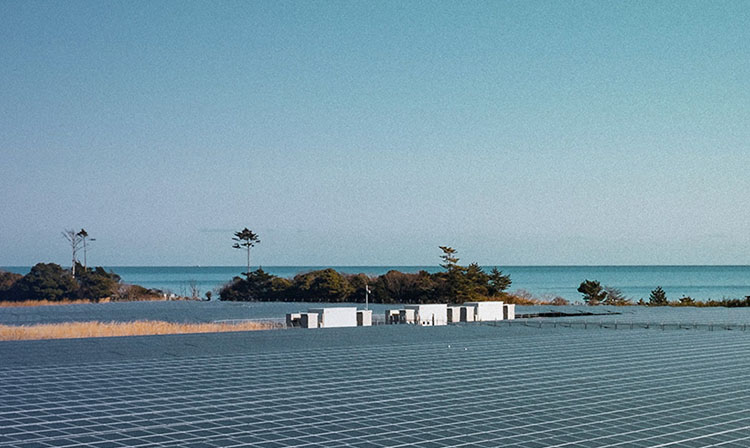
Yingkou, Liaoning, is located on the northern coast of Bohai Bay and is an important industrial port city. Photovoltaic power stations in this region face multiple environmental challenges, including long and cold winters, frequent spring dust storms, salt spray corrosion typical of coastal areas in summer, and compound pollution from surrounding industrial zones.
Conventional PV operation and maintenance is especially difficult in Yingkou. The average annual cost of manual cleaning accounts for more than 30% of the total O&M expenses of local solar power stations. In addition, high-pressure water gun cleaning consumes a large amount of water, with each module requiring up to 2 liters per cleaning, while also increasing the risk of microcracks caused by mechanical abrasion.
This 5MW photovoltaic power station is operated by a local clean energy company and consists of approximately 12,000 solar modules, with expected annual power generation of more than 7 million kWh. However, due to the local environment, contamination on the module surface once caused power generation efficiency losses of up to 15%.
Project introduction
Technical Selection: Three Core Mechanisms to Solve Multiple Pollution Challenges
To address the special environmental conditions in Yingkou, the power station adopted Yingcai New Materials’ photovoltaic self-cleaning nano coating solution. This technology provides differentiated nano coating solutions for different contamination scenarios and is particularly suitable for the compound pollution environment of Yingkou.
The core of the coating technology lies in three self-cleaning mechanisms: photocatalytic decomposition, super-hydrophilic rinsing, and anti-static dust prevention.
At the microscopic level, the coating uses SiO2 nano hollow fractal technology to build a 50–100 nm microstructured uneven surface on photovoltaic glass, achieving a super-hydrophilic water contact angle of less than 10°. When rainwater reaches the surface, it forms a continuous water film instead of isolated droplets, allowing gravity to carry away dust particles.
The nano titanium dioxide (TiO2) in the coating activates a photocatalytic reaction under sunlight and generates hydroxyl radicals, which can decompose organic pollutants into carbon dioxide and water. This feature is especially effective in treating organic contaminants such as industrial oily residue and bird droppings.
For the high salt spray environment of coastal Yingkou, Yingcai also provides an anti-salt-spray coating solution that resists severe salt corrosion while combining self-cleaning performance to reduce manual cleaning frequency by more than 60%.
Implementation Process: Scientific Coating for Long-Term Protection
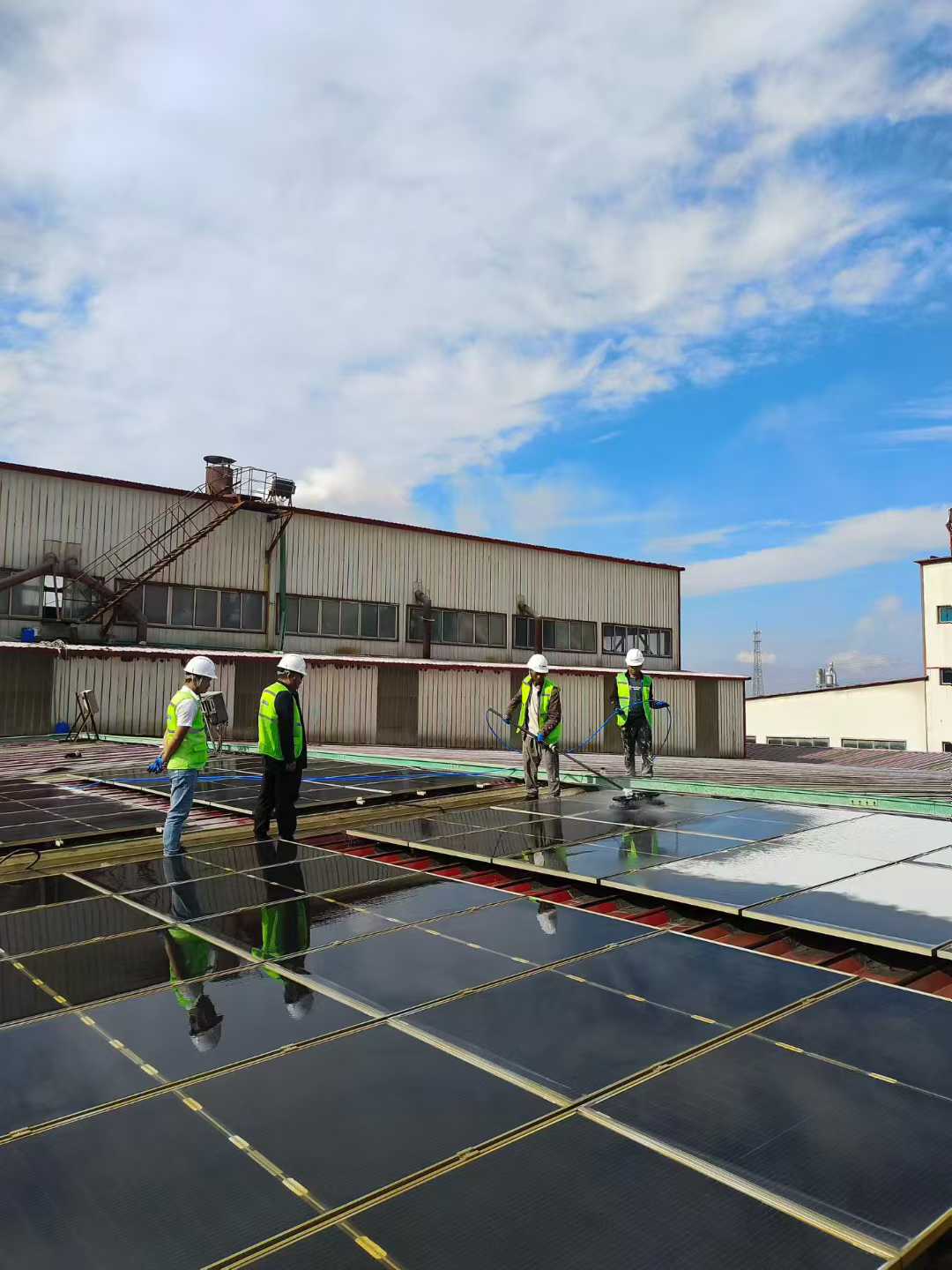
In early 2025, the Yingkou 5MW PV power station began full-scale nano coating application. The construction team first carried out a thorough surface cleaning of the modules to remove existing contaminants and ensure strong coating adhesion.
Professional coating equipment was used to ensure uniform coverage per square meter. The team strictly controlled the environmental conditions and selected dry weather with temperatures between 5°C and 35°C and relative humidity below 85% for application.
Unlike conventional coatings, Yingcai nano coating uses a fully inorganic material formulation prepared through a sol-gel process, forming a three-dimensional network structure. This structure ensures long-term durability and stable performance even under Yingkou’s extreme seasonal temperature differences, with winter lows of -20°C and summer highs of 35°C.
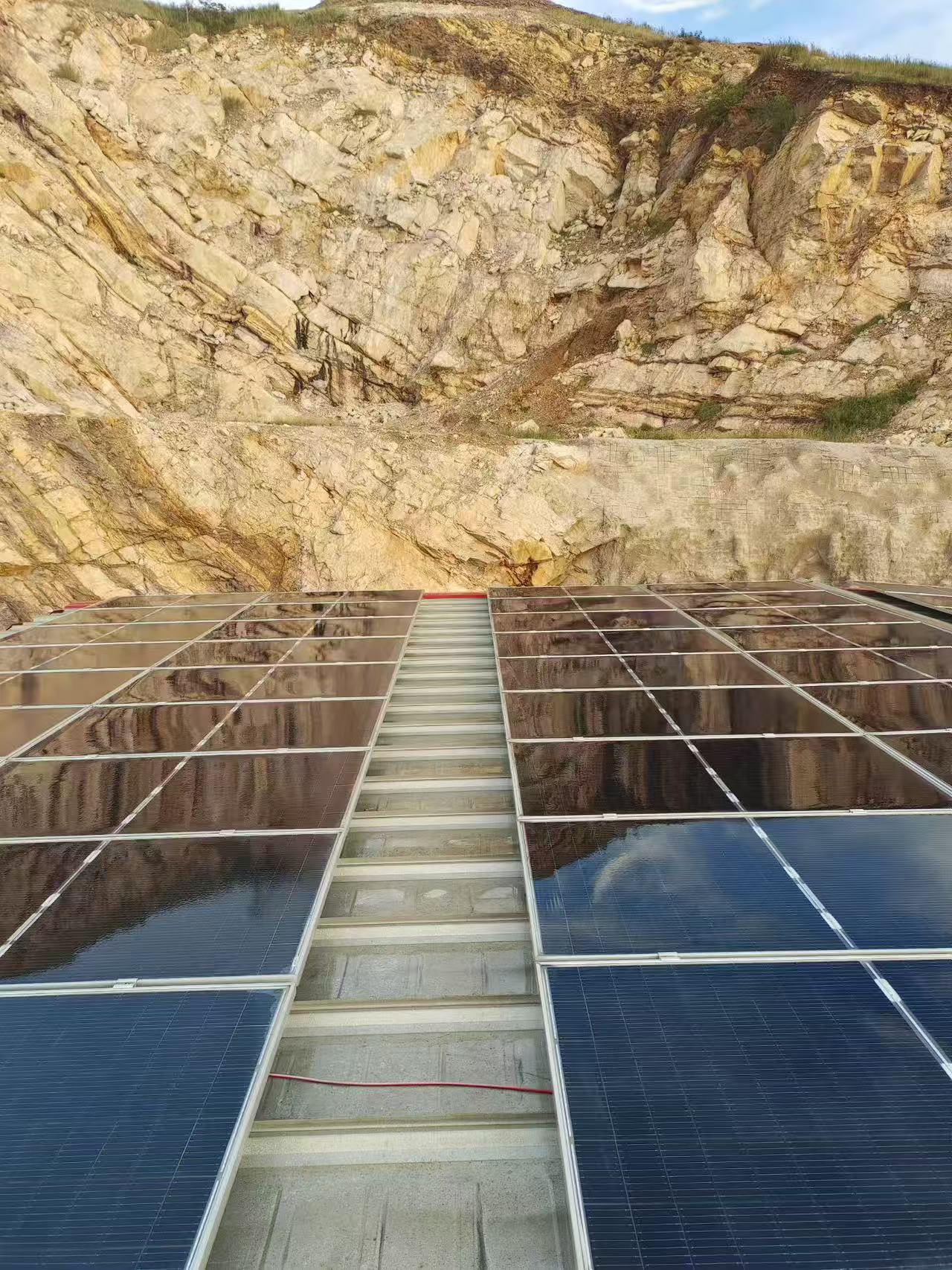
After application, the technical team conducted strict quality inspections, including water contact angle testing, adhesion testing, and light transmittance testing. The results showed that the contact angle decreased to 8.7° after coating treatment, while transmittance in the 380–1100 nm wavelength range increased by 4.2%, including a 4.8% gain in the visible light range of 400–760 nm.
Customer value
Yingcai nano coating delivered significant economic benefits to the Yingkou photovoltaic power station. The investment payback period was only 12 months, and the project continued to generate net returns throughout its multi-year service life.
From the perspective of direct economic benefits, the coating increased annual power generation by approximately 8% to 28%. For a 5MW photovoltaic power station, this is equivalent to generating approximately RMB 250,000 to RMB 330,000 in additional annual electricity revenue. At the same time, manual cleaning frequency was reduced from once every quarter to once per year, and annual cleaning costs were reduced by about 75%.
Benefit Analysis After Nano Coating Application at the Yingkou 5MW PV Power Station:
Power Generation Improvement: Recent operating data shows an average power generation efficiency increase of 25.7%.
Cleaning Frequency Reduction: Reduced from 4 times per year to 1 time per year.
Investment Payback Period: Only 12 months.
Long-Term Benefit: Coating service life of 5 to 8 years, delivering continuous performance gains throughout the full life cycle.
From an environmental perspective, reduced cleaning frequency means significant water savings. Traditional high-pressure water gun cleaning consumes up to 2 liters of water per module, and one full cleaning of the entire power station requires approximately 24 tons of water. After applying the nano coating, the station saves more than 70 tons of water per year.
The coating can also effectively reduce module temperature by 3–5°C, lower the occurrence rate of hot-spot effects by 70%, slow down module aging, and extend service life by 3 to 5 years.
In a coastal industrial city like Yingkou, PV power stations face complex challenges, including both salt spray corrosion and industrial emissions. Yingcai’s composite coating solution can respond to multiple pollution sources at the same time and provide comprehensive protection for the power station.
Inside the monitoring room of the Yingkou photovoltaic station, the real-time power generation curve now runs more steadily. As Engineer Li pointed to the data on the screen showing generation 6.7% higher than the same period last year, he said: “In the past, power output would drop by nearly 10% after a dust event, and emergency cleaning was required to recover performance. Now it is different—rain is the best cleaner.”
Product Inquiry
-
Purchase products
-
Become a partner
-
After-sales service

-
1.Project background
-
2.Project introduction
-
3.Customer value
-
4. Product Inquiry


