












Cases
Not only used on photovoltaic panels

-

 System
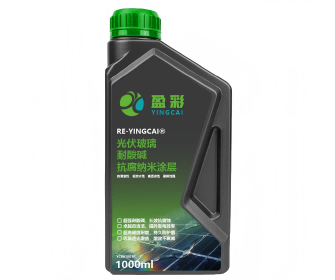
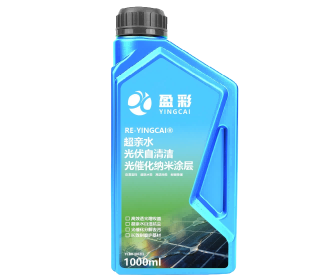
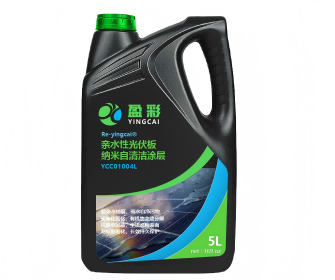
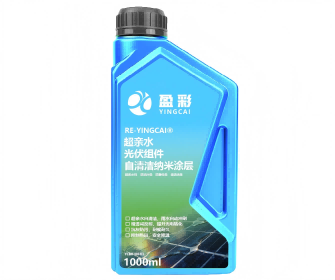
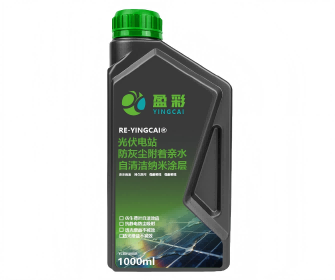
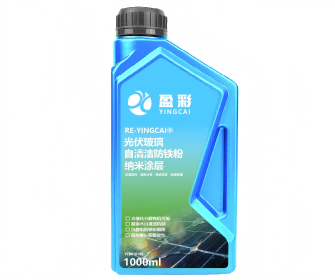
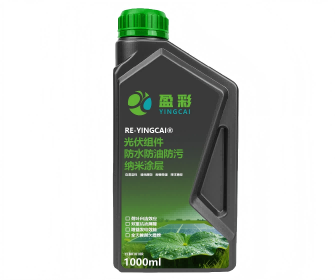
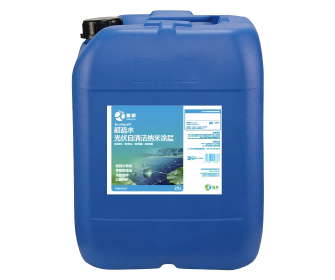
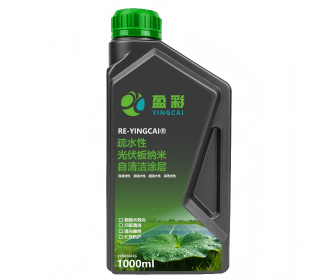
Photovoltaic Self-Cleaning Nano Coating
-
 Place
PlaceA Large Steel Enterprise in Hebei, China
-
 Date
DateJuly 2025
-
 Application
Steel Plant Rooftop Photovoltaic Power Station
Project background
This steel enterprise located in Hebei Province has an annual steel production capacity of 8 million tons. Its 6.5MW rooftop photovoltaic power station is one of the largest industrial rooftop solar projects in the local area. However, the unique environment of the steel industry has brought unprecedented challenges to PV operation and maintenance.
During the steel production process, alkaline dust emissions react with carbon dioxide in the atmosphere and form hard carbonate crusts on the surface of photovoltaic modules. Unlike ordinary dust, this type of contamination is complex in composition and extremely adhesive. Its formation mechanism mainly includes:
• Physical deposition: suspended mineral powder, coal ash, and metallic dust in the air around the steel plant
• Chemical reaction: alkaline dust such as calcium oxide reacts with atmospheric carbon dioxide to form calcium carbonate
• Wet deposition: under fog and dew conditions, dust adheres to and solidifies on the module surface
The dry and windy climate of Hebei further aggravates this problem. Every spring, sandstorms combine with industrial emissions, causing a dense gray-white crust to form rapidly on the PV module surface, sharply reducing light transmittance.
Traditional cleaning methods have limited effectiveness against this kind of contamination. High-pressure water guns can remove only loose surface dust and are almost ineffective against solidified carbonate layers. Acidic cleaning agents may dissolve carbonate deposits, but they can also corrode the aluminum frame and glass surface, while generating a large amount of wastewater that does not meet environmental protection requirements.
Project introduction
Technical Breakthrough: A Coating Solution Designed for Industrial Contamination
To address the carbonate composite contamination unique to steel plants, Yingcai New Materials developed a multilayer composite nano coating system specifically designed to handle stubborn pollutants in industrial environments.
The coating system is built on a three-layer functional structure:
1. Base bonding layer: enhances adhesion between the coating and the glass substrate, ensuring that the coating does not peel off under temperature fluctuations
2. Intermediate catalytic layer: rich in nano titanium dioxide photocatalytic materials, which help decompose the organic components in contaminants
3. Surface protective layer: features a super-hydrophilic nano structure, enabling a “rainwater self-cleaning” effect
For carbonate contamination, the coating adopts a unique micro-acid slow-release technology. Special components in the coating interact with water molecules to create a weakly acidic microenvironment on the surface, with a pH value of 5.5 to 6.5. This mild acidic environment can gently dissolve carbonate crusts without damaging the glass substrate or aluminum frame.
Yingcai also optimized the wear resistance of the coating. Metallic dust in steel plant environments has relatively high hardness, and traditional coatings are easily scratched. By adding nano alumina particles, the surface hardness of the coating was increased by 40%, and the abrasion resistance exceeded 20,000 cycles, making it fully suitable for the harsh environment of steel plants.
Scientific Implementation: Professional Application in a Harsh Environment
In July 2025, Yingcai’s application team entered the Hebei steel plant and carried out a five-day coating construction project. The process faced three major challenges: high-altitude operation safety, non-stop production during construction, and pretreatment of complex contaminants.
To deal with the special conditions of the steel plant, the team developed a detailed pretreatment plan. First, a specialized neutral cleaner and nano sponge were used to soften and remove the already formed carbonate crust, avoiding damage to the modules.
The coating was applied using a self-developed high-pressure airless spraying system, with atomized particle diameters controlled between 50 and 80 microns, ensuring that coating uniformity deviation remained below 5%. During the construction period, the steel plant maintained normal production, and the team specially designed mobile protective covers to reduce the impact of production dust on the coating process.
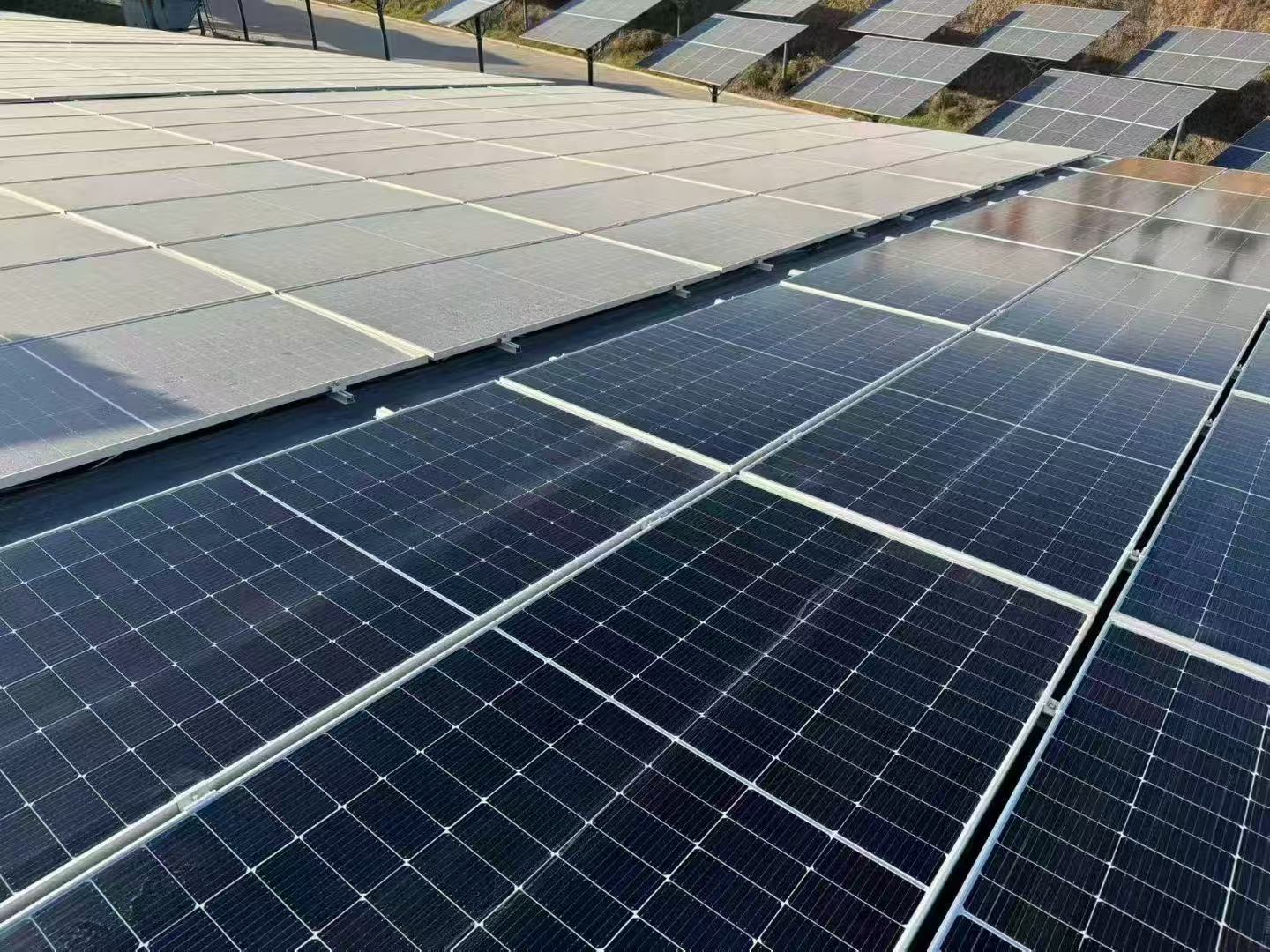
Key Construction Parameters for the Hebei Steel Plant PV Coating Project
• Construction window: July 2025, with an average daily temperature of 15–25°C and relative humidity of 40–60%
• Coating thickness: 280–320 nm, with uniformity deviation below 5%
• Curing condition: natural curing for 48 hours, with no heating required
• Performance indicators: contact angle reduced from 72° to 8.5°, and visible light transmittance increased by 4.1%
After the construction was completed, the team conducted strict on-site testing. Contact angle testing showed a significant improvement in surface hydrophilicity, decreasing from 72° to 8.5°. Transmittance testing proved that the coating increased the average transmittance of the modules by 3.8% in the key spectral range of 350–1100 nm. Adhesion testing using the cross-cut method showed that the coating achieved the highest adhesion grade of 0.
Customer value
The application of Yingcai nano coating brought significant benefits to the PV power station of the Hebei steel plant, mainly in three aspects: power generation gain, operation and maintenance optimization, and equipment protection.
Significant improvement in power generation performance: After the coating was applied, the average power generation efficiency of the station increased by 9.2%, and during heavily polluted spring seasons, the improvement even reached 15%. For a 6.5MW photovoltaic system, this means an additional annual power generation of about 620,000 kWh, equivalent to approximately RMB 300,000 in extra annual revenue based on the local industrial electricity price.
Substantial reduction in operation and maintenance costs: The cleaning frequency was reduced from 0.67 times per month, or 8 times per year, to only 2 times per year. The cleaning time for each cycle was shortened from 3 days to 1.5 days. The cleaning method was also changed from “high-pressure water gun plus manual scraping” to ordinary low-pressure rinsing, with no chemical cleaning agents required. The cost of each cleaning operation was reduced by more than 70%.
Remarkable equipment protection effect: The coating reduced damage caused by physical cleaning to the modules. Before application, the annual microcrack rate caused by cleaning reached 0.3%. After application, this figure fell to below 0.05%. At the same time, the coating effectively prevented carbonate corrosion on the glass surface and extended the service life of the modules by 2 to 4 years.
Benefit Analysis of Nano Coating Application at the Hebei Steel Plant 6.5MW PV Power Station
Economic Benefits
• Power generation efficiency improvement: average 9.2%, peak 15%
• Annual power generation gain: 620,000 kWh, worth about RMB 300,000
• Maintenance cost savings: about RMB 300,000 per year
• Investment payback period: only 8 months
Environmental Benefits
• Water saving: about 180 tons of water saved per year
• Reduced chemical consumption: 1.2 tons less acidic and alkaline cleaning agents used per year
• Carbon emission reduction: about 520 tons less CO2 emissions per year
On the rooftop of the Hebei steel plant, the 6.5MW photovoltaic system now operates stably in an industrial environment. Once troubled by carbonate crust contamination, the blue PV array now remains highly efficient under the protection of Yingcai nano coating, even when facing the composite contamination unique to steel plants.
Engineer Zhao reviewed the latest operation and maintenance records and said, “In the past, we had to worry about cleaning almost every month. Now, most of the time, rainfall alone is enough to keep the modules clean.” Looking at the steel production lines operating in the distance, he added, “Industry and clean energy can coexist very well. Our goal is to become a benchmark for green steel.”
As another spring rain arrives, the rainwater quickly spreads across the surface of the PV panels, carrying away newly fallen dust and leaving a clean surface ready to receive sunlight. In this heavy industrial base, the blue photovoltaic array and the gray industrial facilities now coexist in harmony, together illustrating a new picture of green industrial transformation.
Product Inquiry
-
Purchase products
-
Become a partner
-
After-sales service

-
1.Project background
-
2.Project introduction
-
3.Customer value
-
4. Product Inquiry


