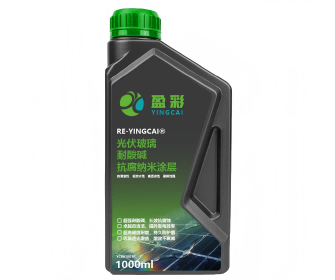
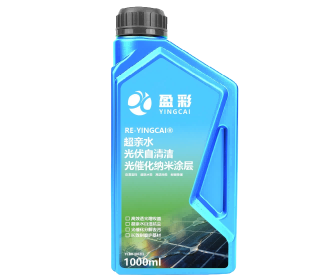
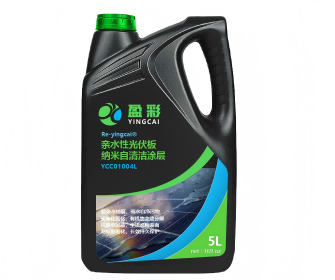
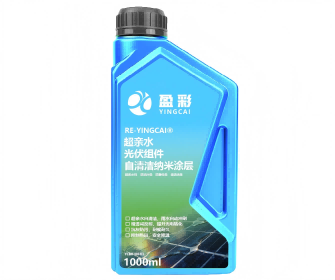
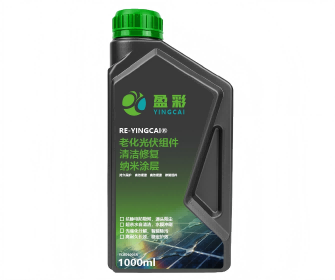
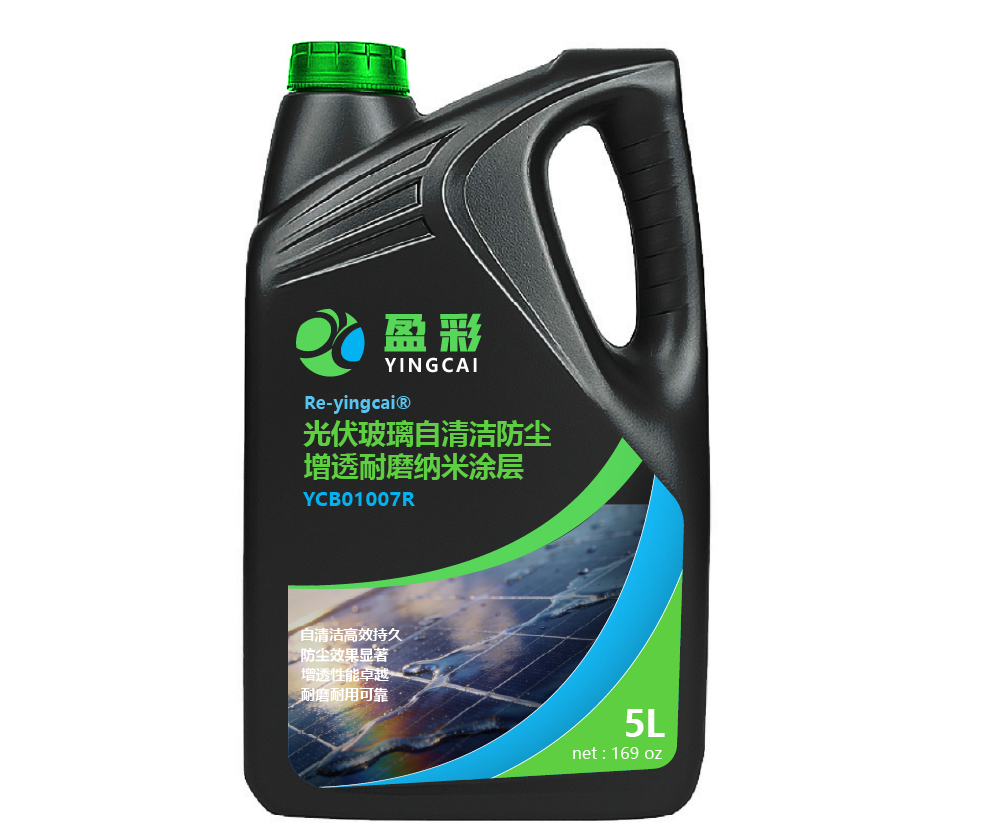
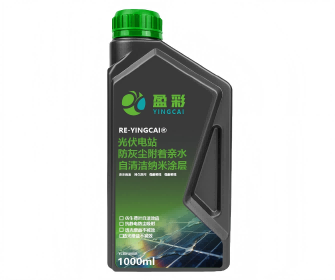
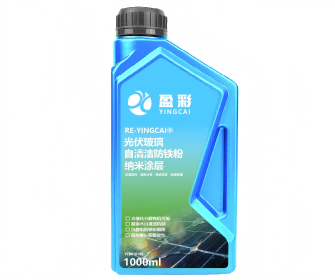

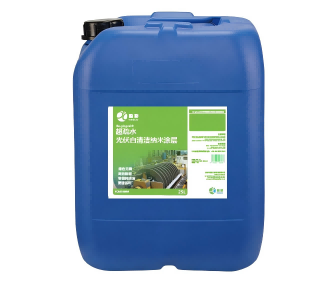
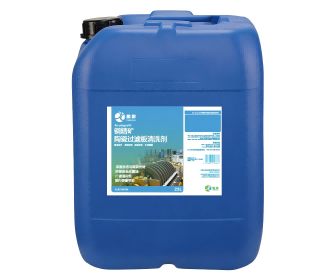
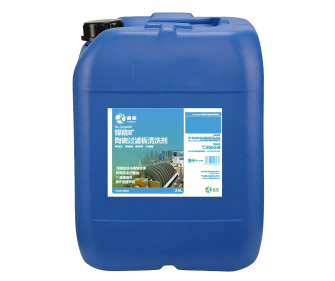
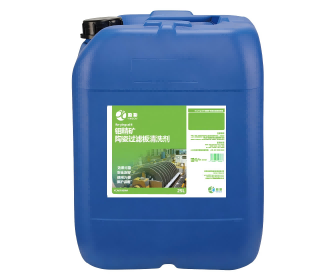









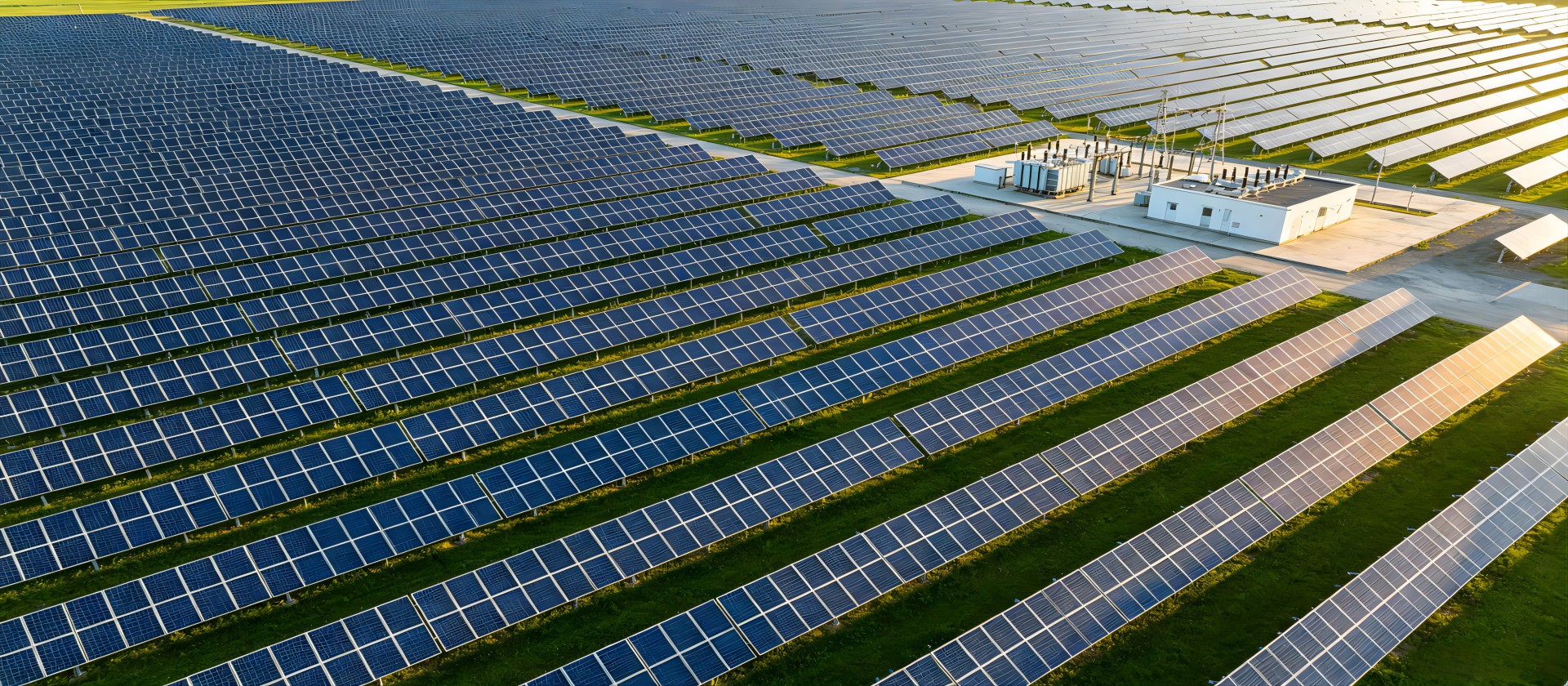
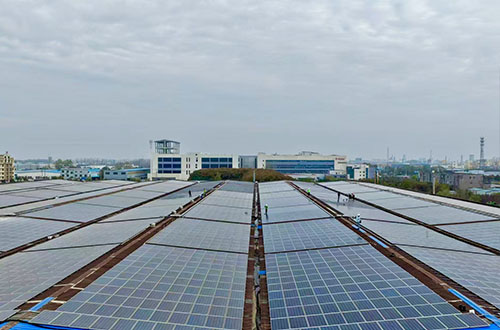
Re-yingcai® Superhydrophobic Self-Cleaning Nano Coating for Solar PV is a photovoltaic protective treatment independently developed by Dongguan Yingcai New Material. Its inorganic nanosilica system forms an ultra-thin transparent film with a strong lotus-leaf hydrophobic surface. Rainwater automatically removes dust, sand and mud, substantially reducing PV cleaning and O&M costs. The coating also resists acid rain, alkaline deposits and UV aging, helping maintain stable light transmission and power-generation efficiency. It is suitable for factory protection of new PV glass and refurbishment and maintenance of operating solar plants.

Product Features
-

 Self-Cleaning Performance
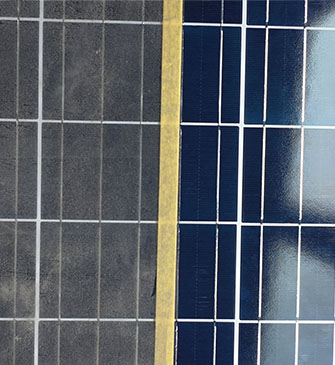
The superhydrophobic coating uses rainwater, melting snow and condensation to remove dust and contaminants automatically.
-
 Dust and Contaminant Resistance
Surface energy below 20 mN/m makes it difficult for dust, pollen and other contaminants to adhere.
-
 Light-Transmittance Enhancement
Provides a visible-light transmittance gain of approximately 2.0%–2.2%, improving light absorption by PV panels.
-
 Strong Weather Resistance
Resists ultraviolet exposure without long-term yellowing or chalking.

Product Parameters

-
Product Model YCB02002Y Solid Content 13±1% pH Value 6.6–8.2 Curing Conditions Air-dry for 20 minutes at room temperature; fully cured in 24 hours Light Transmittance Loss ≤0.3% Water Contact Angle ≥115° (superhydrophobic) Sealed Storage Period 6 months in original sealed packaging in a cool, dark place


Superhydrophobic Effect
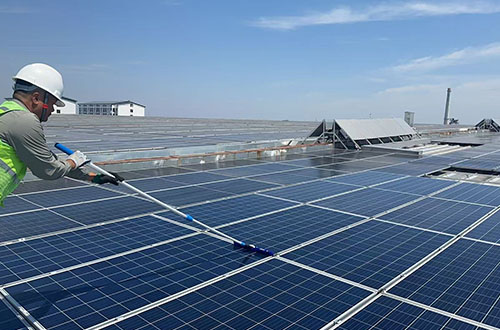
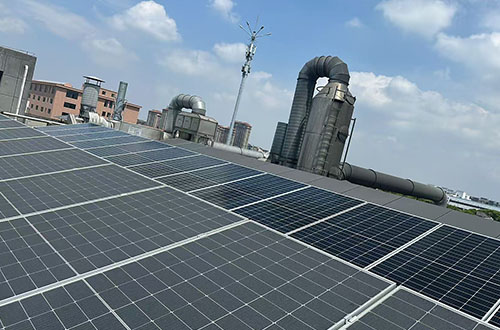
A composite of nanoscale surface structures and low-surface-energy materials produces an extreme water contact angle above 150°. Droplets roll across the module as near-spherical beads, reducing the solid-liquid contact area by more than 90% and making it difficult for dust and pollen to adhere. Light rain or dew can trigger self-cleaning, with a single rolling droplet removing at least 85% of surface particles and reducing manual cleaning frequency by 70%.
Zero-Energy Passive Cleaning
Gravity and natural wind provide completely passive cleaning. At a module tilt of at least 5°, a 3 mm droplet rolls at approximately 0.2 m/s and creates a micro-scrubbing effect. Tests show that rainfall at 2.5 mm/h can remove up to 92% of surface soiling and reduce annual O&M costs by 40%, making the technology particularly suitable for unattended distributed solar installations.
Long-Term Optical Performance
-
The 200 nm ultra-thin coating keeps visible-light transmittance loss below 2.8%. Its nanostructure controls diffuse reflection through Mie scattering and limits incident-light diffuse reflectance to below 1.5%. After 3,000 hours of accelerated UV aging, coated modules show a 52% lower power-degradation rate than conventional modules and a 5%–7% increase in annual power output.


Triple-Layer Protection
-
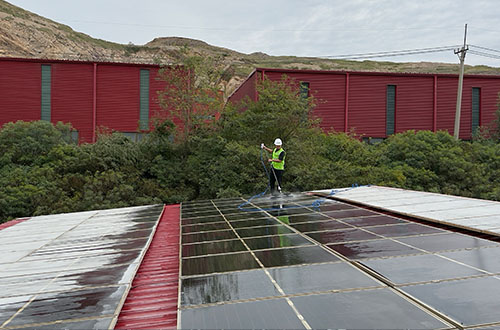
An inorganic-organic hybrid crosslinked structure withstands temperatures above 300°C and retains a water contact angle above 145° after 3,000 hours of QUV accelerated aging. The film remains attached after 1,000 steel-wool abrasion cycles, and its protective lifetime is designed to match the PV module service life of 25 years or more without recoating.
Related Products
-

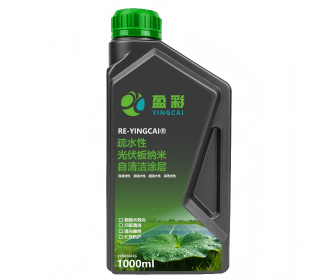 Re-yingcai® Hydrophobic Nano Self-Cleaning Coating for Solar PanelsRe-yingcai® Hydrophobic Nano Self-Cleaning Coating for Solar Panels
A transparent hydrophobic nano coating for solar panels that uses the lotus-leaf effect to remove dust with rolling water droplets and reduce manual cleaning.
-
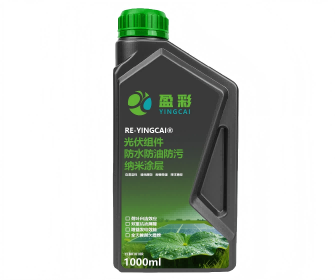 Re-yingcai® Waterproof, Oil-Repellent and Anti-Fouling Nano Coating for PV ModulesRe-yingcai® Waterproof, Oil-Repellent and Anti-Fouling Nano Coating for PV Modules
A transparent waterproof, oil-repellent and anti-fouling nano coating that protects PV modules from dust, oily contamination, bird droppings and acid rain.
-
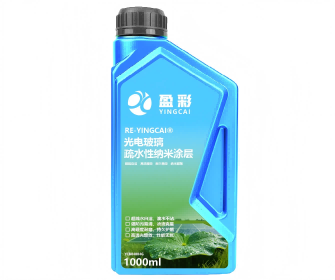 Re-yingcai® Hydrophobic Nano Coating for Optoelectronic GlassRe-yingcai® Hydrophobic Nano Coating for Optoelectronic Glass
A transparent hydrophobic nano coating for optoelectronic glass, displays and touch panels that repels water, fingerprints and dust while preserving optical clarity.
Product Inquiry
-
Purchase products
-
Become a partner
-
After-sales service