












YINGCAI Nano Coating Achieves 57.2% Monthly Power Generation Increase in Huadian Huatai PV Station Test
-
Company News
-
 2026-07-10
 -
 Yingcai New Material

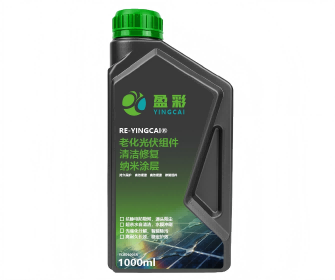
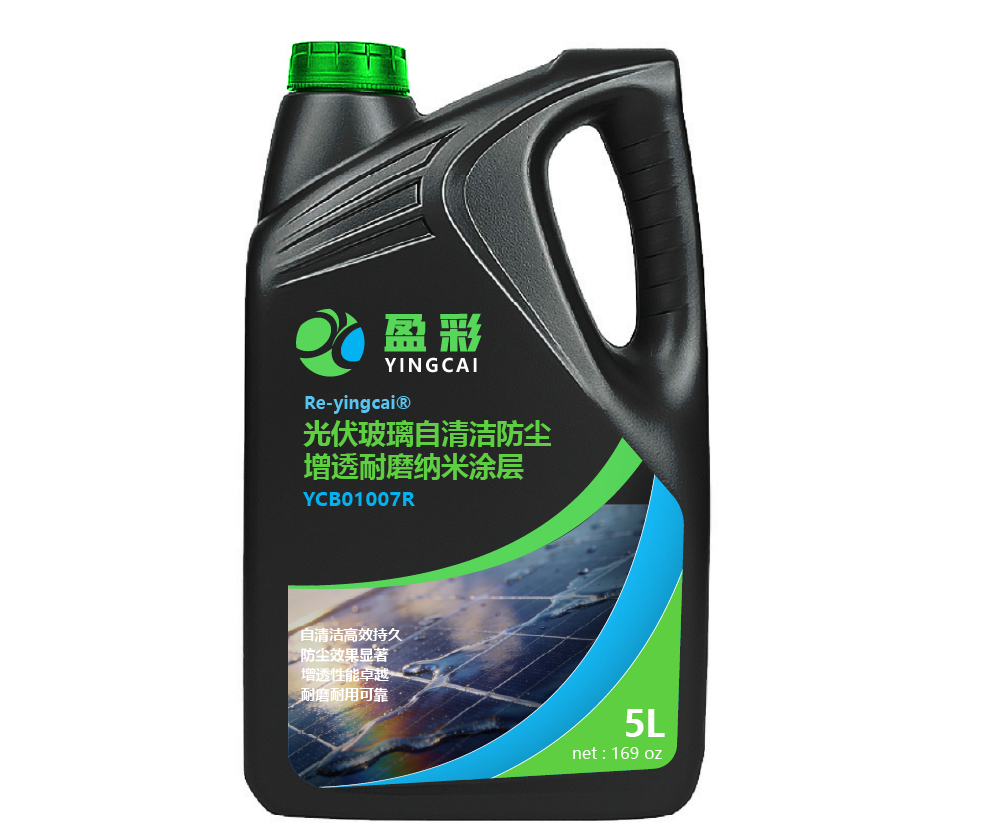
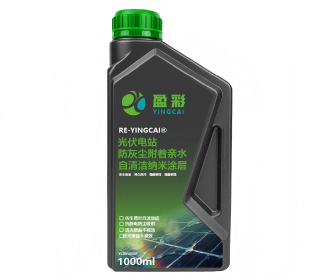
YINGCAI nano coating was tested at Huadian Huatai PV Station in April 2026 through a month-long inverter group comparison. The coated PV module group generated 23,928.6 kWh, achieving a 57.2% increase compared with the uncoated control group.
In April 2026, Huadian Huatai PV Station carried out a month-long power generation comparison test to evaluate the efficiency improvement effect of YINGCAI nano coating under real operating conditions.
The test compared two inverter-connected PV module groups under the same model, same environment, and similar load conditions. One group remained untreated as the control group, while the other group used YINGCAI nano coating on the PV module surface. From April 1 to April 30, daily power generation data was collected and compared to calculate the daily improvement rate.
The full-month test was continuously recorded without interruption, providing a clear and practical reference for evaluating the application value of nano coating technology in photovoltaic power station operation and maintenance.
Test Background
Dust accumulation, surface pollution, rain marks, industrial particles, and environmental aging can reduce the light transmission of PV modules and affect long-term power generation performance. For PV power stations, maintaining module cleanliness and improving surface protection are important ways to increase power output and reduce O&M costs.
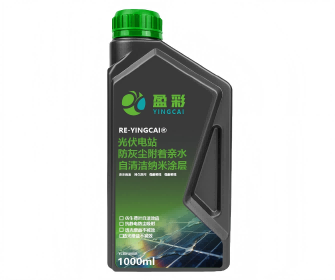
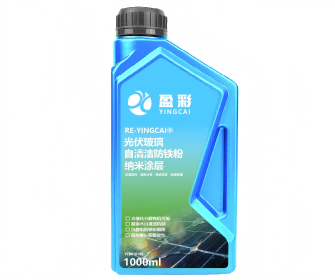
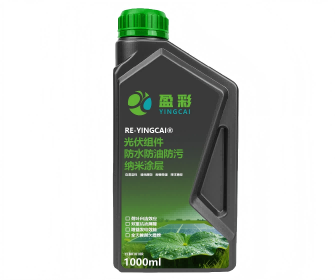
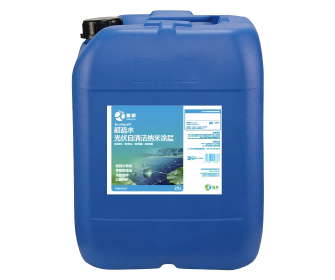
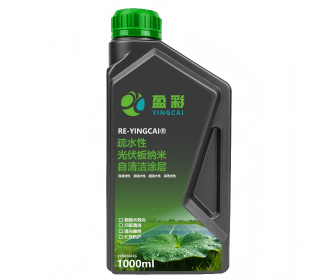
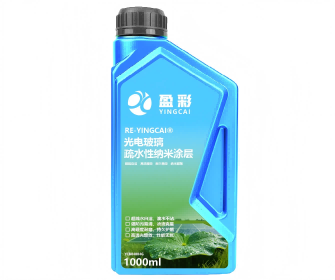
YINGCAI nano coating is designed to improve the surface condition of PV modules by enhancing self-cleaning performance, reducing pollutant adhesion, and supporting better light transmission. This comparison test at Huadian Huatai PV Station provided real operating data for evaluating its practical efficiency improvement effect.
Test Method
The test selected two comparable inverter-connected PV module groups.
The control group was an uncoated conventional PV module group.
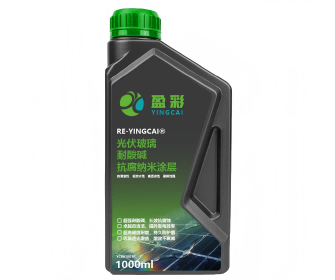
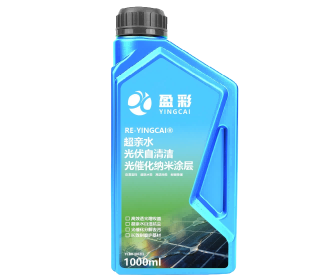
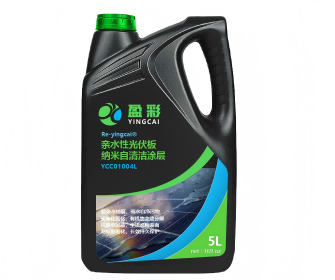
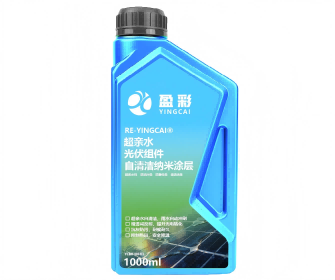
The test group was treated with YINGCAI nano coating on the PV module surface.
From April 1 to April 30, the power generation data of both groups was collected daily. The daily increase rate was calculated based on the comparison between the coated group and the uncoated control group.
All data came from the on-site operation records of the PV station, reflecting actual field performance under real weather and operating conditions.
Performance Results
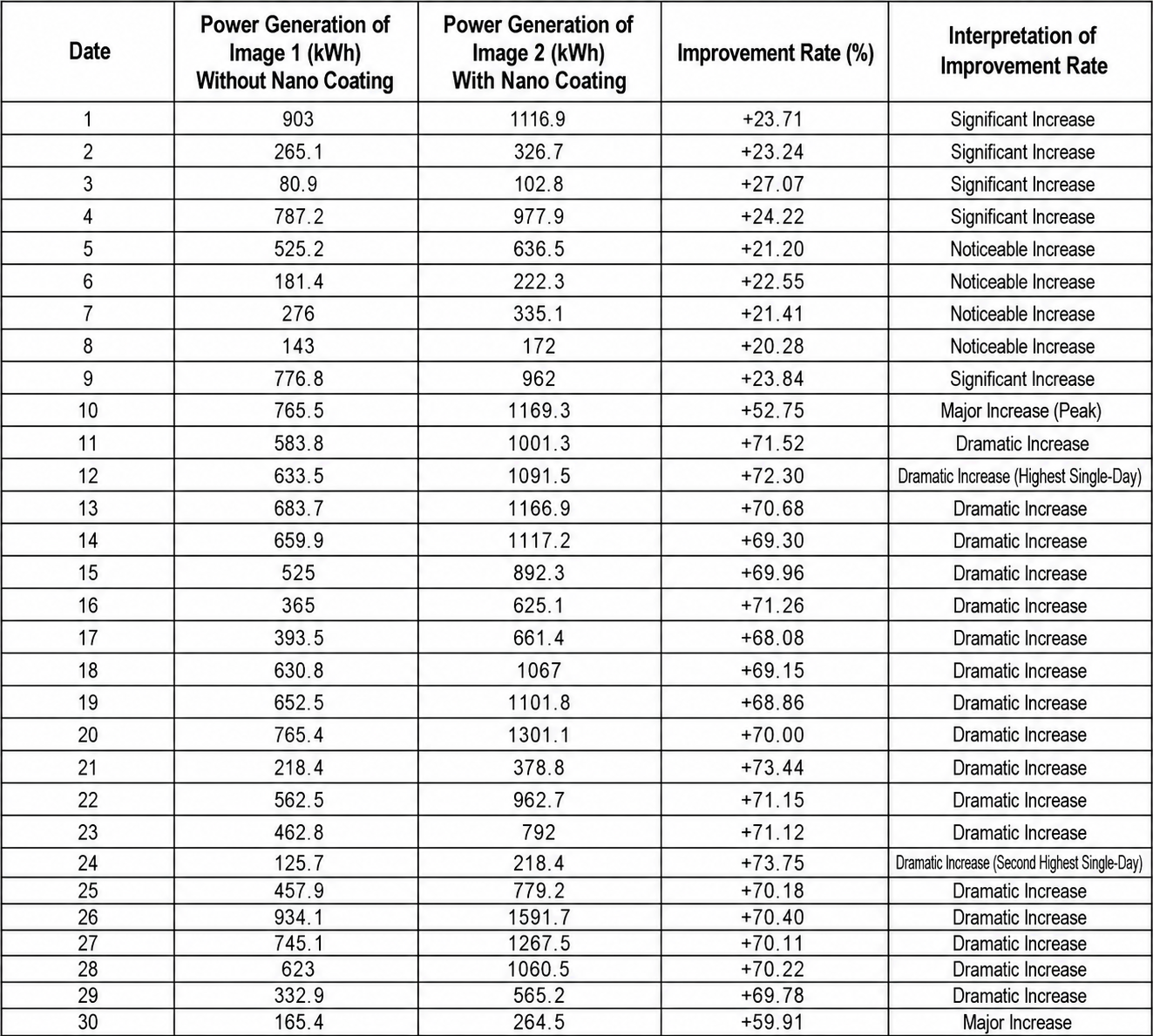
During the 30-day test period, the coated PV module group achieved positive improvement every day compared with the uncoated control group. No daily result was lower than the control group, showing stable and continuous efficiency improvement.
In early April, when the weather was mainly cloudy and light conditions were relatively weak, the improvement rate remained between 20% and 30%. This showed that YINGCAI nano coating could still provide stable gains under moderate light conditions.
From April 10, as sunlight intensity increased and the inverter operating load became higher, the efficiency improvement became more significant. The improvement rate reached 52.75% on April 10 and remained at a high level during stronger light conditions.
From mid to late April, with longer sunshine duration and stronger irradiance, the coated group showed its strongest performance. On several days, the improvement rate exceeded 70%. The highest daily increase reached 72.30% on April 12, while another peak reached 73.75% on April 24.
Full-Month Data Summary
The full-month comparison results were clear and measurable.
Uncoated control group total power generation: 15,225 kWh
YINGCAI nano coating group total power generation: 23,928.6 kWh
Additional monthly power generation: 8,703.6 kWh
Average additional daily power generation: 290.1 kWh
Overall monthly improvement rate: 57.2%
The data shows that YINGCAI nano coating delivered stable power generation improvement throughout the full month. The effect was especially significant under stronger sunlight and higher operating load conditions.
Technical Value
Based on the full-month field test, three key conclusions can be drawn.
First, YINGCAI nano coating showed stable and reliable efficiency improvement. The coated group achieved positive gains throughout the entire test period, indicating good adaptability under changing weather conditions.
Second, the efficiency improvement was positively related to sunlight intensity and operating load. Under weaker light conditions, the improvement remained stable at around 20% to 30%. Under stronger light conditions, the increase commonly exceeded 50%, with peak daily improvement above 70%.
Third, the overall monthly improvement rate reached 57.2%, generating an additional 8,703.6 kWh in one month. This provides a clear, quantifiable, and practical reference for PV power stations seeking power generation improvement and O&M cost reduction.
Application Value
The Huadian Huatai PV Station test demonstrates the practical value of YINGCAI nano coating in photovoltaic power station efficiency improvement.
For solar power stations, this technology can help improve module surface performance, reduce the impact of dust and pollution, enhance power generation stability, and increase the long-term revenue potential of PV assets.
The test also provides an important reference for PV stations operating in dusty, industrial, coastal, or difficult-to-clean environments. By combining nano coating technology with professional PV cleaning and maintenance solutions, power stations can achieve better module cleanliness, higher power output, and lower long-term O&M pressure.
Looking Ahead
YINGCAI New Materials will continue to focus on photovoltaic nano coating technology, solar panel cleaning agents, and integrated PV operation and maintenance solutions.
Through real project testing, data tracking, and continuous product optimization, YINGCAI aims to provide more reliable material solutions for PV power stations, helping customers improve generation efficiency, reduce operating costs, and support the long-term development of green energy.


