












Re-YINGCAI Cyanide-Free Gold Leaching Agent: A Safer Gold Extraction Solution for Ghana
-
Company News
-
 2026-10-15
-
 盈彩新材料Ying cai

When the world turns its attention to African gold again, one country is impossible to overlook — Ghana. As Africa's largest gold producer, Ghana produced 149.8 tonnes of gold in 2024, up 19.3% year-on-year; in 2025, output reached a historic record of roughly 6 million ounces (about 186 tonnes), with gold export revenue nearing US$20 billion — for the first time surpassing cocoa and oil to become the country's largest export.
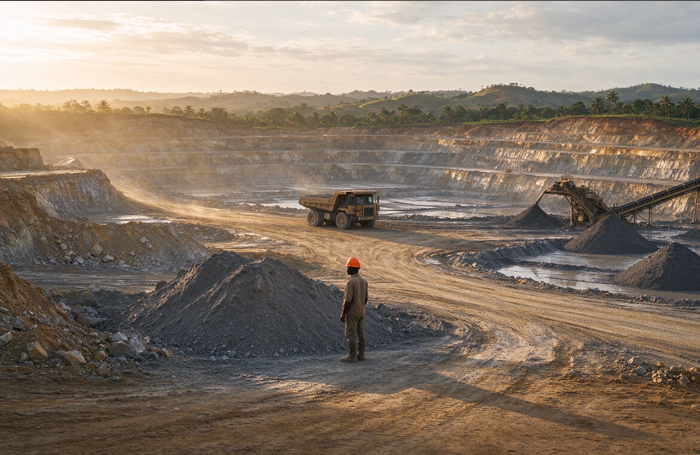
Gold brings wealth, but it also carries a century-old problem: the traditional gold extraction process built on highly toxic sodium cyanide. As regulation tightens, community concerns grow, and ESG becomes a hard requirement for mine financing, Ghanaian miners are looking for a safer way to leach gold. This article explains three things: why Ghana's gold market matters, where the risks of cyanide really lie, and how Re-YINGCAI's cyanide-free gold leaching agent offers a safer long-term solution for Ghana.
01 Ghana: The Accelerating Heart of West African Gold
Ghana's gold story is not a distant one. In 2024, Ghana's gold output rose from 125.6 tonnes to 149.8 tonnes, up 19.3% year-on-year, cementing its position as Africa's top producer; in 2025, output reached about 6 million ounces, up 23.4%, setting another all-time high. Export revenue nearly doubled alongside it: from about US$10.3 billion in 2024 to nearly US$20 billion in 2025.
Even more notable is the changing structure of output. In recent years, through industry reforms to curb smuggling and boost foreign-exchange earnings, Ghana has seen rapid growth in artisanal and small-scale mining (ASM), which reached a record 104 tonnes in 2025 — for the first time surpassing large-scale mine output. Whether for major miners or formalized small-scale operations, demand for leaching agents is expanding in step — and the more concentrated the demand, the heavier the weight of safety and compliance.
02 The Other Side of the Boom: The Cost of Toxic Sodium Cyanide
About 85% of the world's gold is extracted through cyanidation, and sodium cyanide remains the mainstream leaching reagent. It offers high efficiency and low cost, but the price is equally clear: highly toxic, strictly controlled, and severe when leaks occur.
In Ghana, sodium cyanide is classified as a controlled toxic chemical, allowed for import and use only by licensed large-scale miners; regulators have repeatedly seized illegal sodium cyanide at mine sites. For mining companies, cyanide risk runs through the entire chain: transport and storage, heap and vat leaching operations, tailings-dam management, and wastewater and waste disposal. A failure at any link can contaminate water, endanger communities, and trigger severe regulatory consequences. Incidents in which tailings discharge polluted rivers, killed fish and sent residents to hospital are not uncommon in mining history; public reporting in Ghana has also flagged mercury, cyanide and arsenic pollution linked to illegal mining as a threat to water bodies and the food chain.
Regulation is tightening, communities are asking questions, and international buyers and financial institutions are scrutinizing every miner against ESG standards. For mines that intend to operate in Ghana long term, toxic sodium cyanide is shifting from the "default option" to a "risk option."
03 Cyanide-Free Leaching Agent: A Safer Gold Extraction Solution
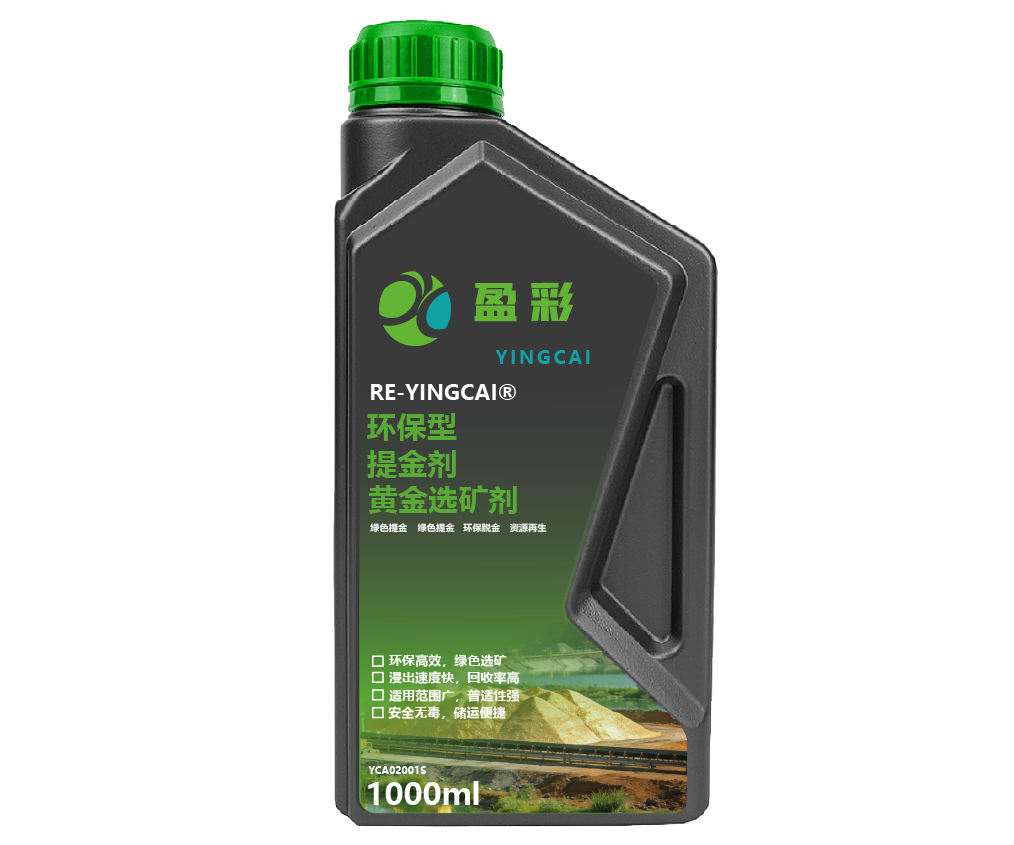
A cyanide-free eco-friendly leaching agent is a class of low-toxicity, environmentally friendly gold leaching reagent that can replace sodium cyanide. It is not a single reagent from the traditional non-cyanide systems, but a new reagent system refined through formulation and process optimization; nor is it a magic bullet — different ores need matched processes and dosage. But its core value is clear: it removes "toxicity" from the gold leaching step.
Specifically, cyanide-free eco-friendly leaching agents are compatible with mainstream processes such as heap leaching, vat leaching and carbon-in-pulp (CIP), and offer three advantages:
First, low toxicity and environmental friendliness. Transport, storage and operational risks are significantly lower than with sodium cyanide; tailings and wastewater treatment pressure is smaller; and it is easier to meet local environmental regulations and community requirements.
Second, reliable leaching efficiency. In published comparative studies, eco-friendly leaching agents can achieve gold leaching rates broadly comparable to sodium cyanide at equivalent dosage — switching processes does not mean sacrificing recovery.
Third, compliance and sustainability. Reducing the use of highly toxic chemicals means lower compliance costs, stronger ESG performance, and easier alignment with international buyers' procurement requirements.
For Ghanaian mining companies, this is not just a process upgrade — it is a risk calculation that can be sustained over the long term: for every tonne of toxic chemical avoided, there is less water and community risk, and more certainty for the business.
04 From Dongguan to Ghana: Re-YINGCAI's Long-Term Supply Commitment
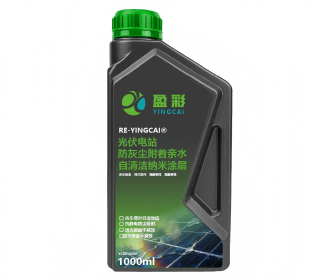
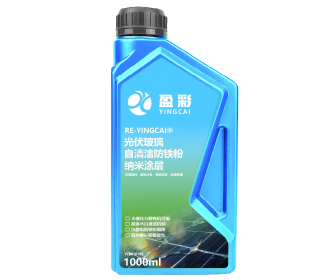
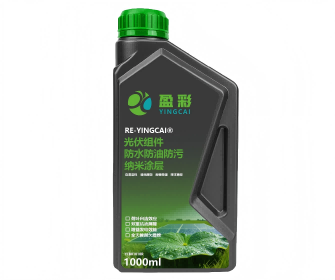
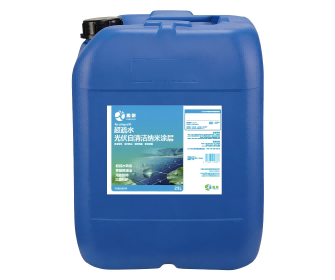
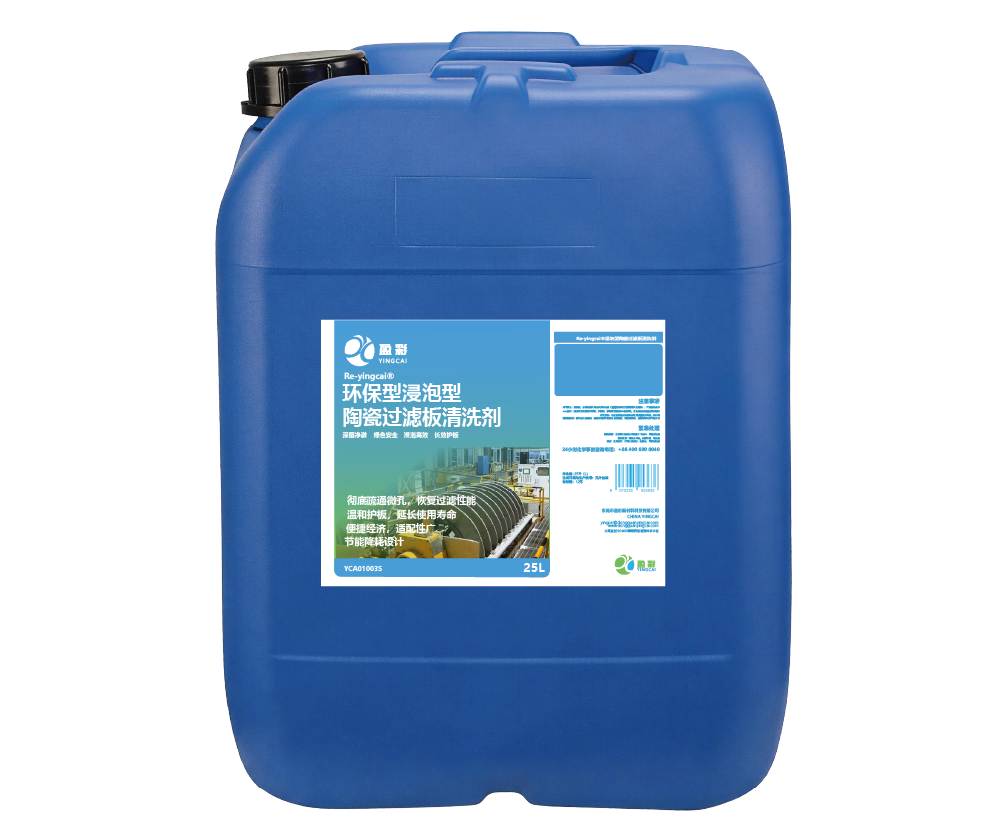
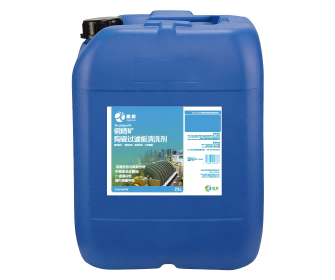
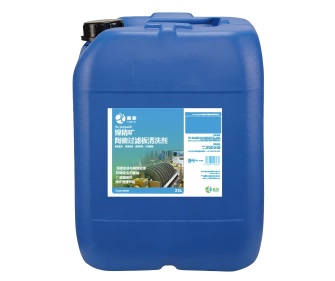
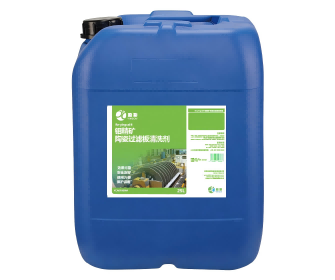
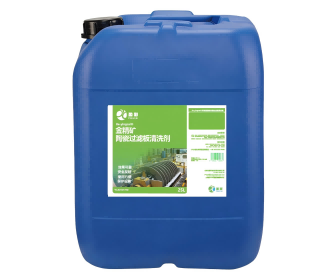
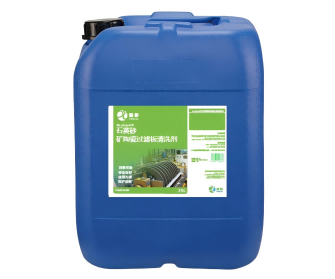
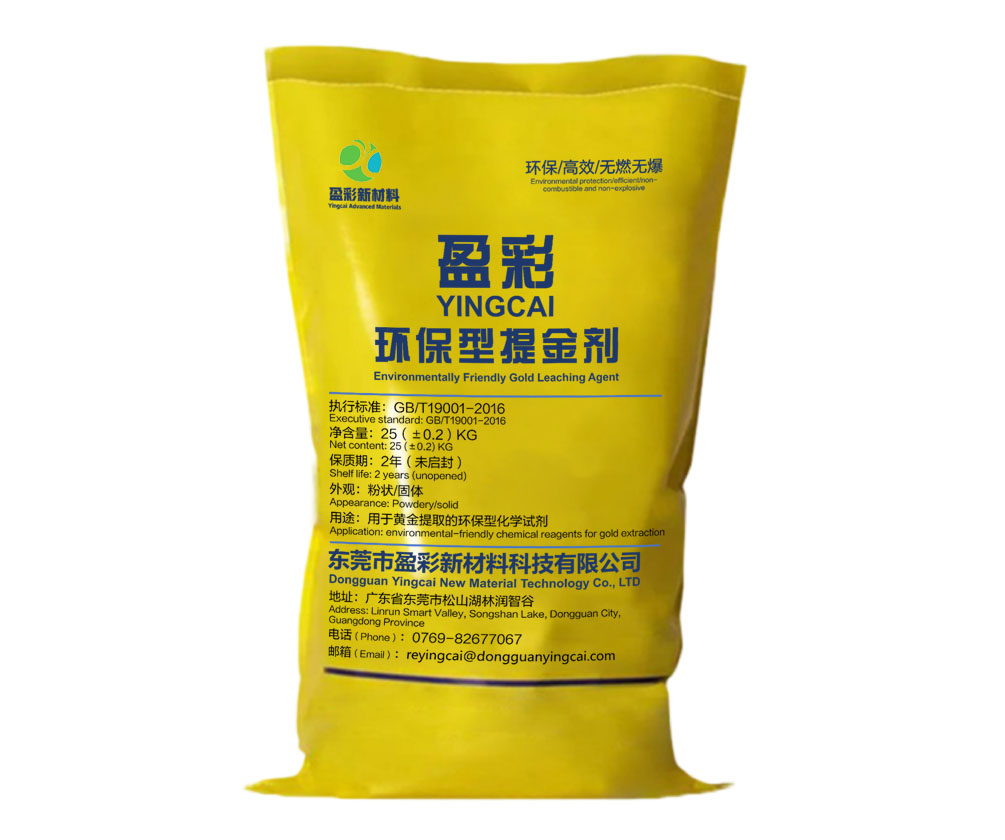
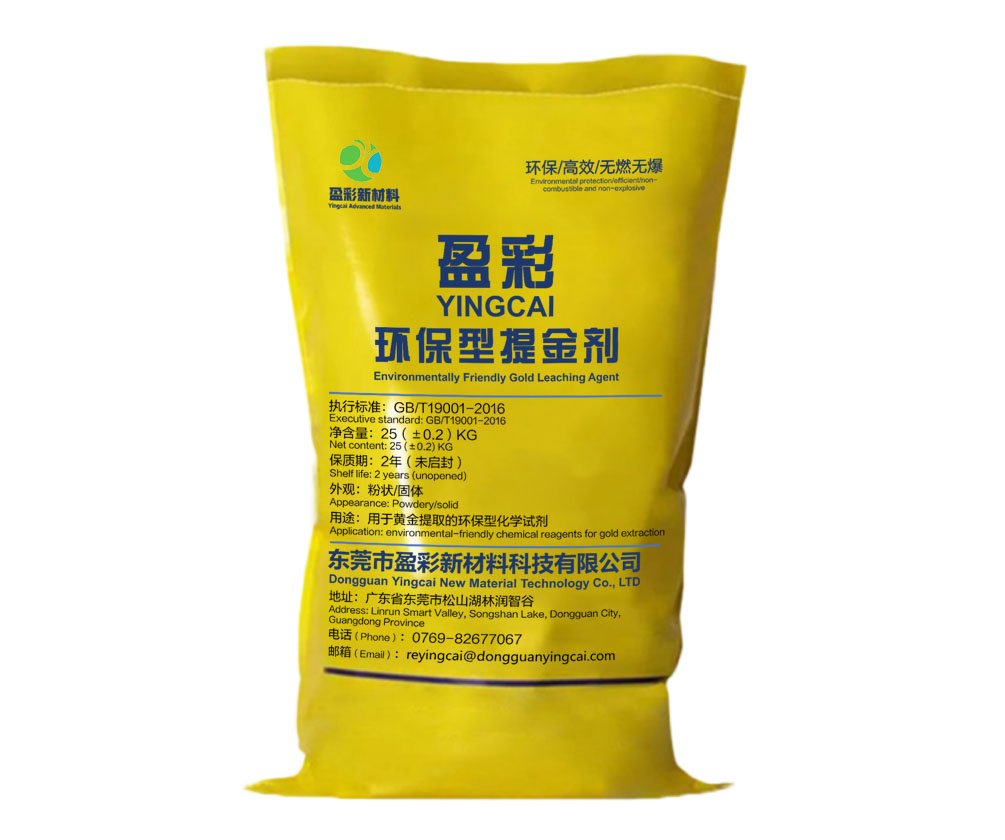
Dongguan Yingcai New Material Technology Co., Ltd. focuses on two business lines — nano functional coatings and green mining fine chemicals — with mineral-processing reagents covering gold leaching, dust suppression and more. Among them, the cyanide-free eco-friendly gold leaching agent serves heap leaching, vat leaching and carbon-in-pulp processes, supporting overseas markets with stable batch quality and bulk supply capacity.
For the Ghanaian market, Re-YINGCAI has built a "long-term delivery" supply system rather than a one-off transaction:
Inventory: stockpile common specifications used across Ghanaian mining zones, shortening the lead time from order to shipment.
Logistics: arrange sea-freight booking, container loading and export documentation, fully traceable throughout.
Support: provide technical guidance for reagent application and after-sales response, helping mines complete process switchover and stable operation.
From the production line in Dongguan, China, to heap-leach pads and CIP plants in Ghana, Re-YINGCAI aims to be a stable, dependable supplier of gold leaching reagents for Ghanaian mining companies.
05 Safer Gold Extraction Starts with a Choice
Ghana's gold story continues: record output, record exports, and an industry moving toward formalization. At this juncture, mining companies are no longer facing the simple technical question of "which reagent to use," but a business question that weighs safety, compliance, cost and long-term reputation together.
The more prudent path to a decision: first, check whether the reagent is low-toxicity and eco-friendly; second, look at process compatibility and leaching efficiency; and finally, confirm whether the supplier can provide stable, long-term supply and technical support. Only when all three are satisfied is the choice truly right.
Re-YINGCAI's cyanide-free eco-friendly gold leaching agent is ready to help Ghanaian mining companies write "safer" into every gold leaching line.
(This article is prepared for the Ghana market. For product models, technical parameters and business cooperation, please contact Re-YINGCAI New Materials for official technical documentation.)
Share


