


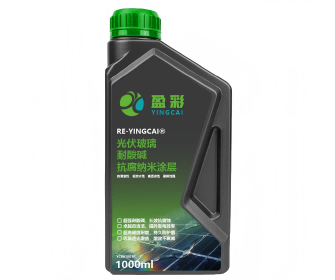
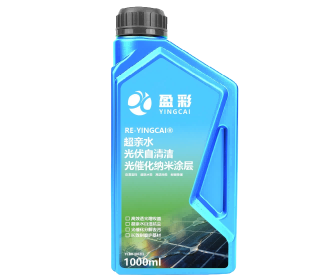
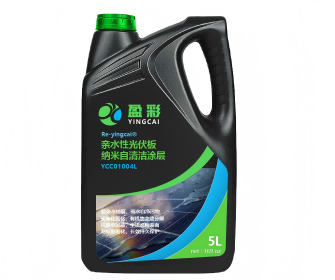
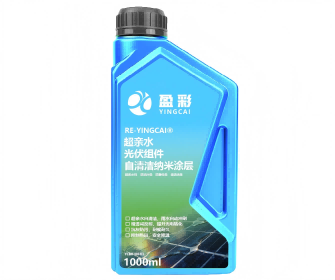
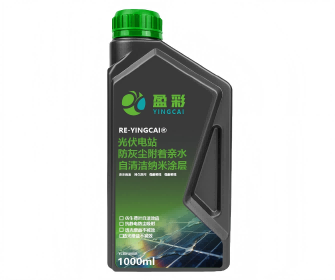
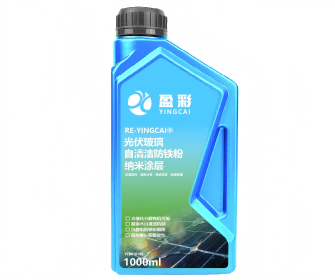
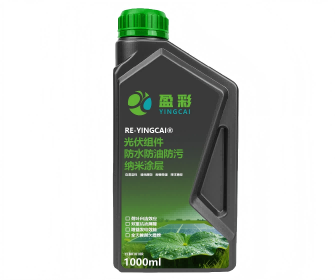










YINGCAI Photovoltaic Nano Self-Cleaning Coating Tested at Wuhan University of Technology, Boosting Campus Solar Efficiency by Over 30%
-
Company News
-
 2026-01-05
 -
 Yingcai New Material

YINGCAI photovoltaic nano self-cleaning coating was tested on the campus PV system of Wuhan University of Technology, helping improve module cleanliness, enhance light transmission, reduce maintenance frequency, and increase solar power generation efficie
YINGCAI Photovoltaic Nano Self-Cleaning Coating Tested at Wuhan University of Technology, Boosting Campus Solar Efficiency by Over 30%
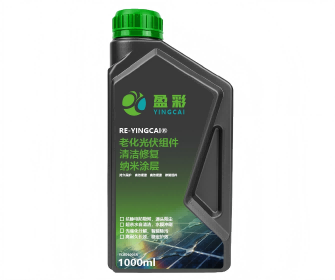
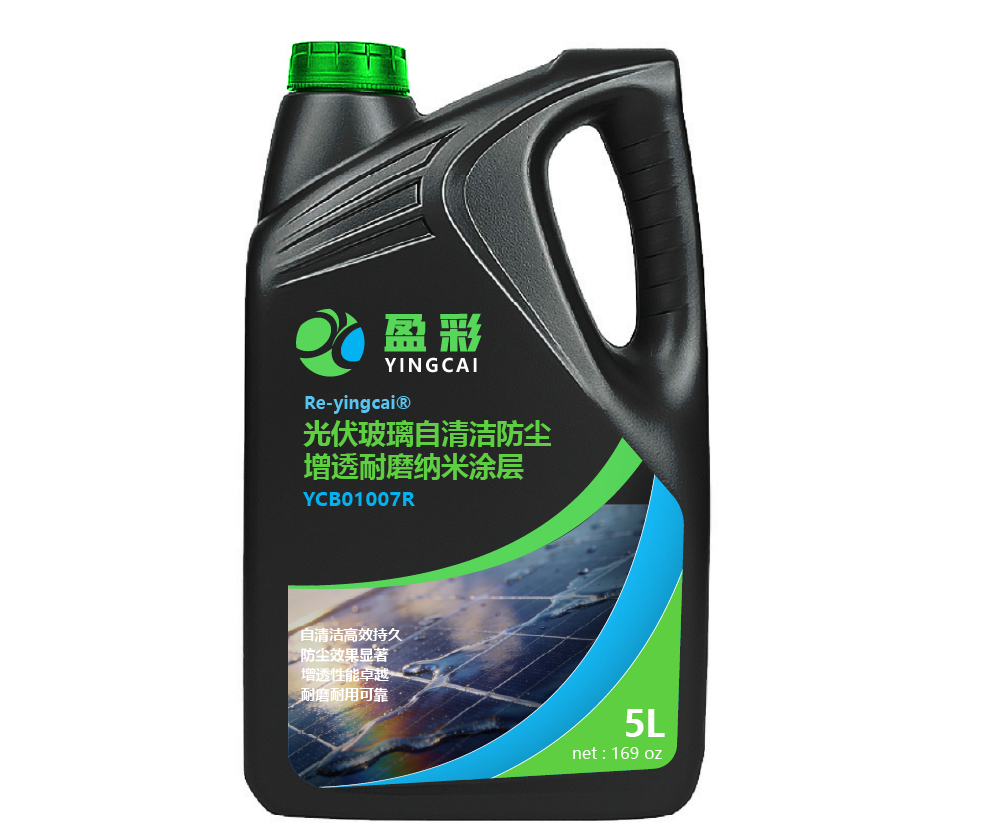
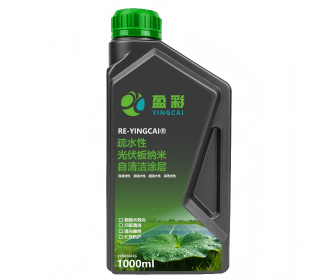
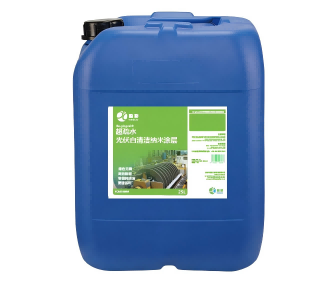
At the photovoltaic experimental area of Wuhan University of Technology, a clean technology innovation driven by nanomaterials is bringing new value to campus renewable energy management. YINGCAI New Materials applied its photovoltaic nano self-cleaning coating to campus solar modules, creating a transparent functional protection layer on the glass surface and achieving both self-cleaning and light-enhancing performance.
Test results showed that the coated PV modules achieved a power generation efficiency improvement of over 30%, providing an innovative demonstration for universities, public institutions, and distributed solar power projects seeking cleaner, more efficient, and lower-maintenance energy solutions.
Technical Highlights
PV modules exposed to outdoor environments for long periods are easily affected by dust, bird droppings, industrial pollutants, rain stains, and organic residues. These contaminants reduce light transmission, weaken power output, and increase the frequency and cost of manual cleaning.
YINGCAI photovoltaic nano self-cleaning coating uses a bionic nano surface structure to reduce pollutant adhesion and improve the natural cleaning effect of rainwater. The coating helps water droplets roll off the glass surface more easily, carrying away dust and dirt while reducing long-term residue accumulation.
In addition, the coating provides light-enhancing performance. Through optimized surface structure and optical design, it helps reduce surface reflection and improve visible light transmission, allowing more sunlight to reach the solar cells and improving the power generation potential of the PV system.
Application Value
Wuhan University of Technology has a wide range of campus PV application scenarios, including teaching buildings, laboratories, dormitories, and public facilities. After the application of YINGCAI nano self-cleaning coating, the PV system showed stronger environmental adaptability and more stable operating performance.
In rainy and humid environments, the coating helps reduce water stains and pollutant accumulation. In dusty outdoor environments, it helps lower dust adhesion and keep the module surface cleaner for a longer period. The solution also reduces the need for frequent manual cleaning, helping lower maintenance costs and improve system safety.
For a 10MW campus PV system, the application of this coating can help increase annual power generation, reduce operation and maintenance costs, and shorten the investment payback period. It is especially suitable for university campuses, public buildings, distributed rooftop PV projects, and existing solar power station retrofit projects.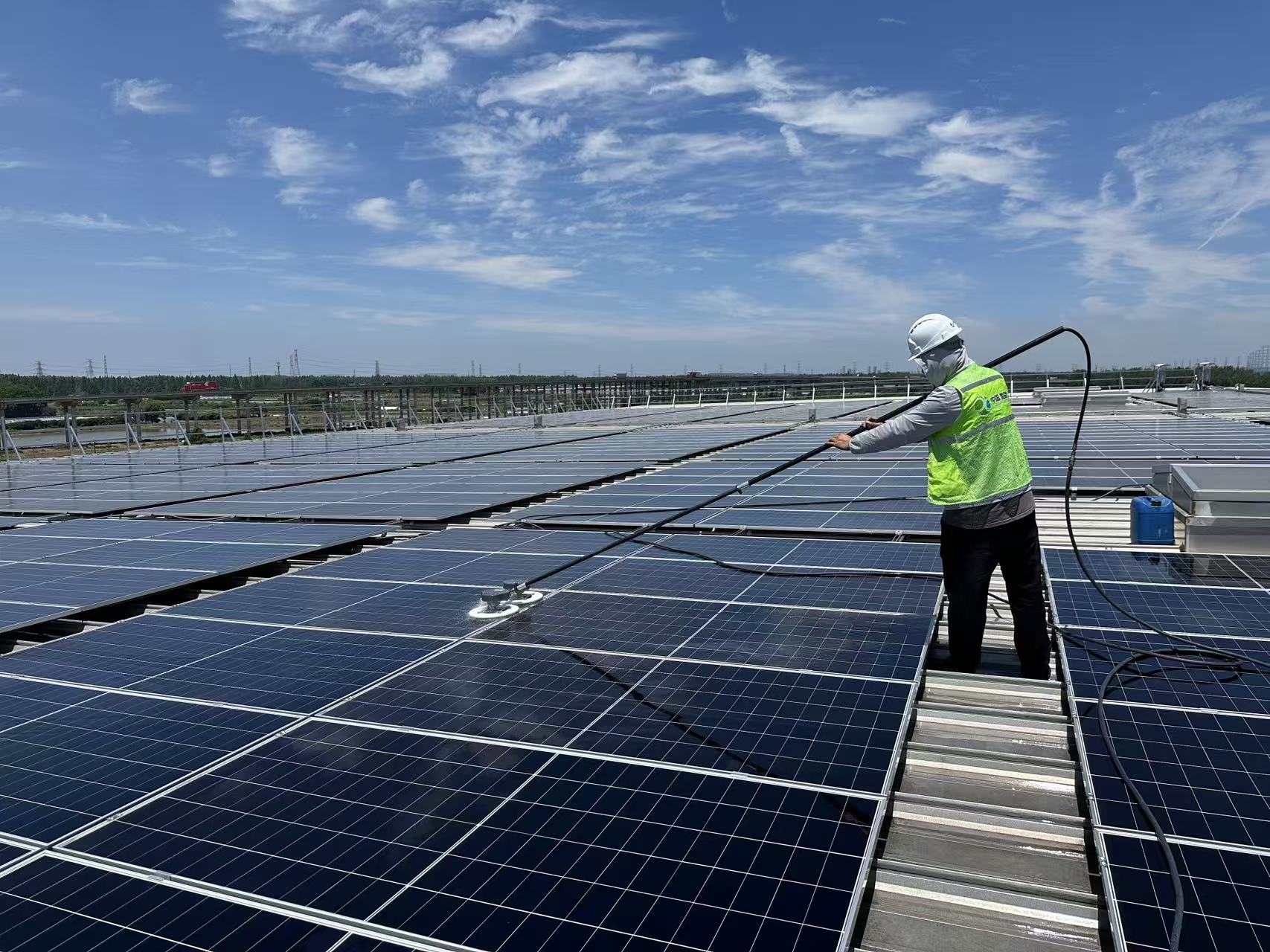
Industry Significance
The successful test at Wuhan University of Technology demonstrates the practical value of nano coating technology in campus renewable energy systems. YINGCAI’s solution not only addresses the key pain points of PV operation and maintenance, but also supports the transition from supplementary clean energy to more efficient and stable main energy supply.
With wider application in universities, public institutions, industrial parks, and distributed solar projects, YINGCAI photovoltaic nano self-cleaning coating will continue to support the development of cleaner, smarter, and more sustainable solar energy systems.


