












Repeated Clogging of Ceramic Filter Plates? An Eco-Friendly Cleaning Solution to Replace Nitric Acid Pickling
-
Company News
-
 2026-10-20
-
 盈彩新材料Ying cai

Repeated clogging of ceramic filter plates is a problem I’ve seen at dozens of mineral processing sites over the years. Once the micropores are blocked, vacuum drops, filter cake moisture rises, power consumption increases, and frequent shutdowns for plate maintenance eat into production time.
Most plant teams rely on nitric acid pickling for regeneration. It works fast in the short term, yet the hidden costs on equipment, safety and environmental compliance keep growing. This article covers the root causes of blockage, drawbacks of conventional pickling, and a field-proven eco-friendly cleaning alternative.
What Causes Ceramic Filter Plate Micropore Blockage?
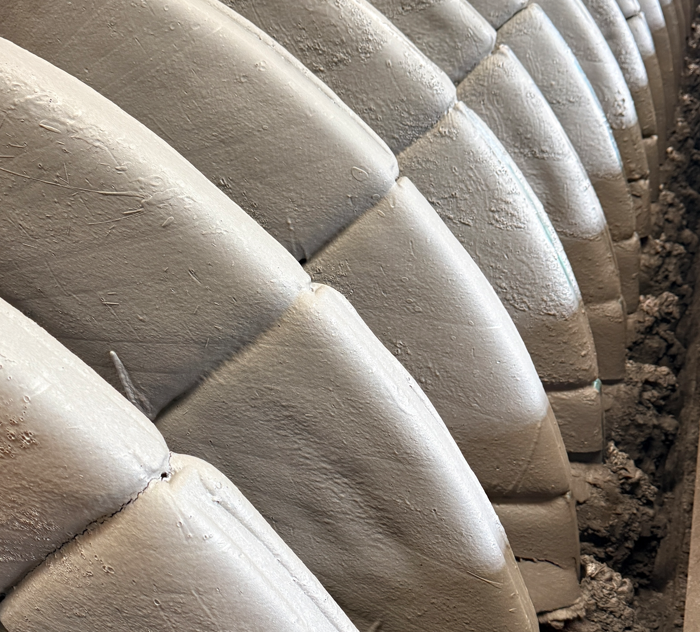
Ceramic filter plates rely on micron-sized capillary pores for dewatering, acting as the core component of ceramic vacuum filters. During continuous operation, contaminants build up gradually inside micropores, mainly in three forms:
Inorganic hard scale: iron & manganese oxides, calcium-magnesium salts and silicate crystals. High-pressure water and ultrasonic cleaning can only remove surface ore, with limited effect on deep pore scale.
Fine ore slimes: ultra-fine mineral particles physically trapped inside micro gaps.
Organic residues: flotation reagents, collectors and frothers form organic complexes mixed with slimes and metal scale, creating tough composite fouling.
Physical methods such as ultrasonic flushing can only clean the plate surface. Deep composite fouling usually requires chemical regeneration.
Nitric Acid Pickling: Fast Effect at the Cost of Filter Plate Life & Compliance
Nitric acid mixed with oxalic acid has long been widely used in mineral processing. It dissolves metal oxides quickly to restore flux, yet it has obvious downsides under stricter green mine rules:
Permanent damage to filter plates. As a strong oxidizing acid, nitric acid erodes the ceramic membrane while removing scale. Frequent pickling can shorten service life by 30%–50%. Enlarged micropores reduce filtration accuracy and force early plate replacement.
High HSE and management pressure. Nitric acid is a controlled hazardous chemical subject to special permits for transport, storage and handling. Acid mist irritates operators and corrodes stainless steel pipes, seals and ultrasonic boxes.
High wastewater treatment cost. Spent acid is difficult to neutralize and dispose of. Improper handling brings high environmental audit risks.
Many mill managers know these issues well, but suitable alternatives with reliable cleaning performance were hard to find before.
How Does the Eco-Friendly Ceramic Filter Plate Cleaner Work?
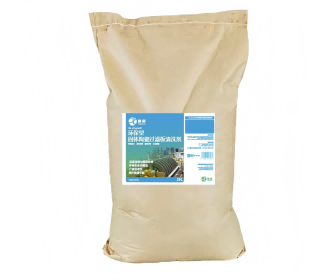
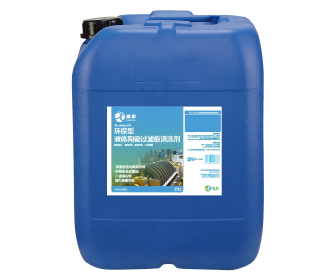
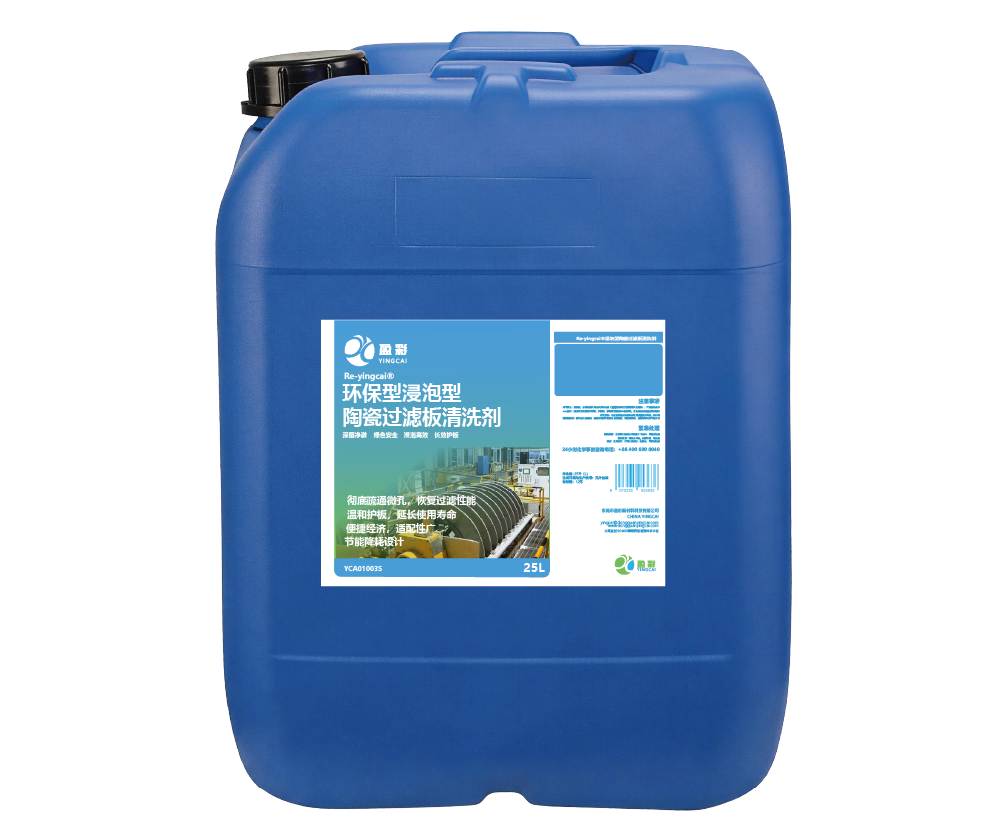
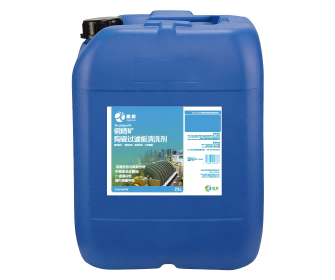
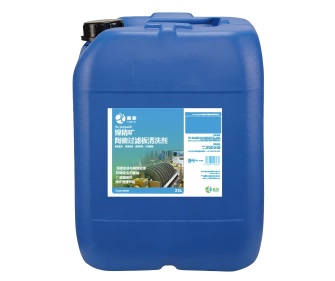
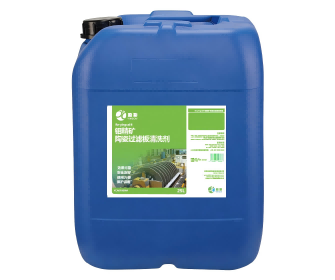
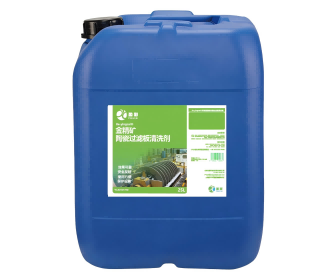
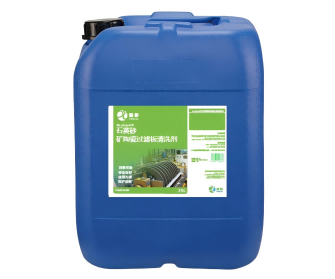
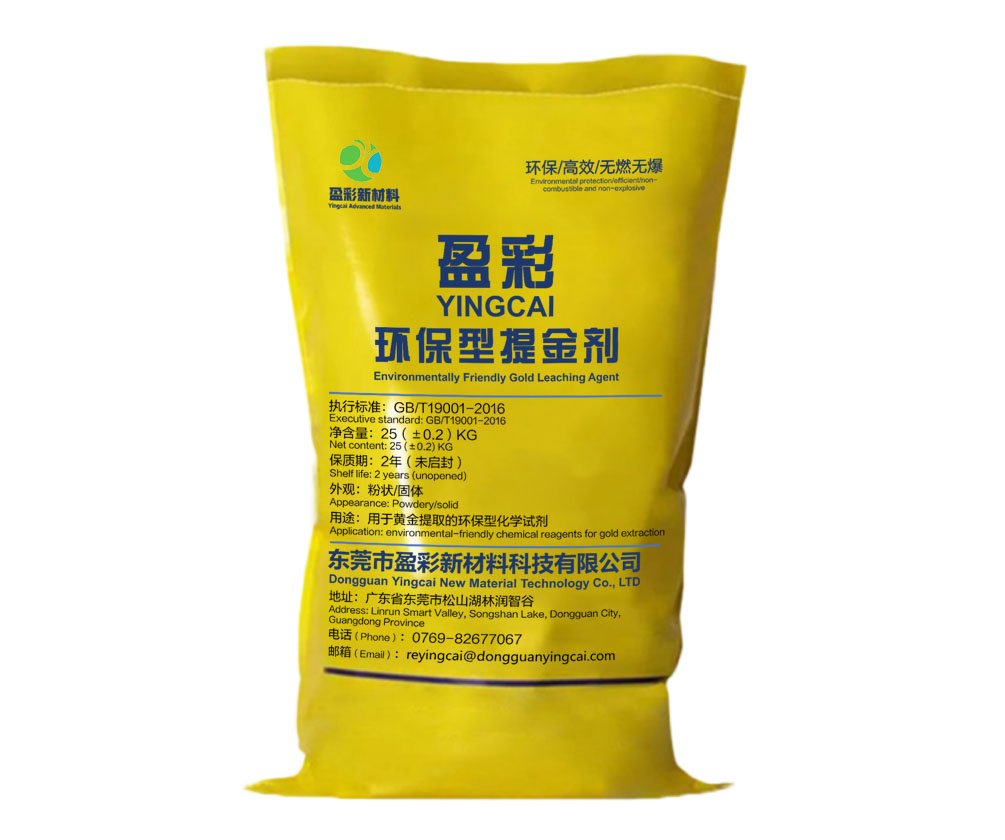
This cleaner is not a diluted weak acid, but a formulated targeted system. Developed by Dongguan Yingcai New Material Technology Co., Ltd., it uses an organic chelating formula, free of nitric acid, hydrochloric acid and other strong mineral acids. Cleaning works through three synergistic mechanisms:
Wetting & penetration: Special surfactants reduce surface tension, letting the solution penetrate micron pores and weaken adhesion between fouling and ceramic walls.
Chelating dissolution of inorganic scale: High-performance organic chelators bind calcium, magnesium, iron, manganese ions into stable soluble complexes to break down crystalline hard scale.
Dispersion & anti-redeposition: Emulsifying dispersants keep stripped slimes and organic pollutants suspended, preventing re-adsorption inside pores.
Formulated substrate protectants reduce corrosion to ceramic substrates and stainless steel equipment, protecting the filter membrane. It is non-hazardous, without strict dangerous goods logistics and storage requirements, and produces little irritating odor for on-site workers.
Field Case: Iron Ore Concentrate Ceramic Filter Plate Cleaning
One iron concentration plant used nitric acid for years. They faced shorter clogging cycles, unstable vacuum, high filter plate replacement cost and heavy wastewater treatment workload.
They switched to Yingcai ceramic filter plate cleaner with online recirculation soaking, without frequent plate disassembly.
Before cleaning: Severe micropore blockage, low vacuum, high cake moisture, frequent pickling shutdowns.
After cleaning: Micropores reopened, vacuum stabilized and cake moisture improved. Long-term use slowed membrane degradation, extended plate service life and removed the whole set of nitric acid compliance and acid mist protection work.
Important note: No chemical works for all fouling. Fouling composition varies greatly between gold mines, lead-zinc mines and non-metallic mines. Heavy scale requires longer soaking time. Lab testing with onsite scale samples is strongly recommended before formal use to confirm dilution ratio and soaking duration. We once tested a lead-zinc sample rich in flotation organics; initial test result was mediocre, and performance improved after adjusting concentration and contact time.
On-site Operation Guidelines
Application: Ceramic vacuum filter regeneration for iron, gold, lead-zinc and non-metallic mineral processing.
Recommended process: Online circulating cleaning, best combined with the existing ultrasonic system.
Precaution: Remove residual pulp from plates before cleaning. Do not mix with strong oxidizers.
Evaluation indicators: Vacuum recovery, filter cake moisture and filtrate permeability.
Closing Thoughts
Green mine and workplace safety regulations keep tightening. Mineral plants should evaluate total cost instead of only chemical purchase price: filter plate depreciation, downtime loss, hazardous chemical administration, wastewater disposal and occupational safety all count.
Ceramic filter plates are critical dewatering consumables. The right cleaning solution balances effective fouling removal and substrate protection. Strong acid pickling is simple yet costly in the long run. When matched with lab tests, this formulated eco-friendly cleaner serves as a viable nitric acid replacement for many mineral processing conditions.
Welcome mineral processing peers to share your filter cleaning experience below.
Disclaimer: This is for technical exchange only, not a binding selection reference. Always run lab trials with your ore and equipment conditions before full-scale application.


