












Cyanide-Free Gold Leaching in Indonesia: Lessons From Years of Stable Bulk Shipment of Eco-Friendly Gold Leaching Reagent
-
Company News
-
 2026-10-20
-
 盈彩新材料Ying cai

Over the years working in mining chemical export, I’ve visited many gold mining sites across Southeast Asia. Indonesia is one market we have built long-term cooperation with. Lately, many mine operators messaged me, asking whether switching away from cyanide is practical for gold mines in Indonesia. A lot of buyers only focus on lab test results while ignoring tough on-site tropical conditions, which often leads to costly failures after scaling up.
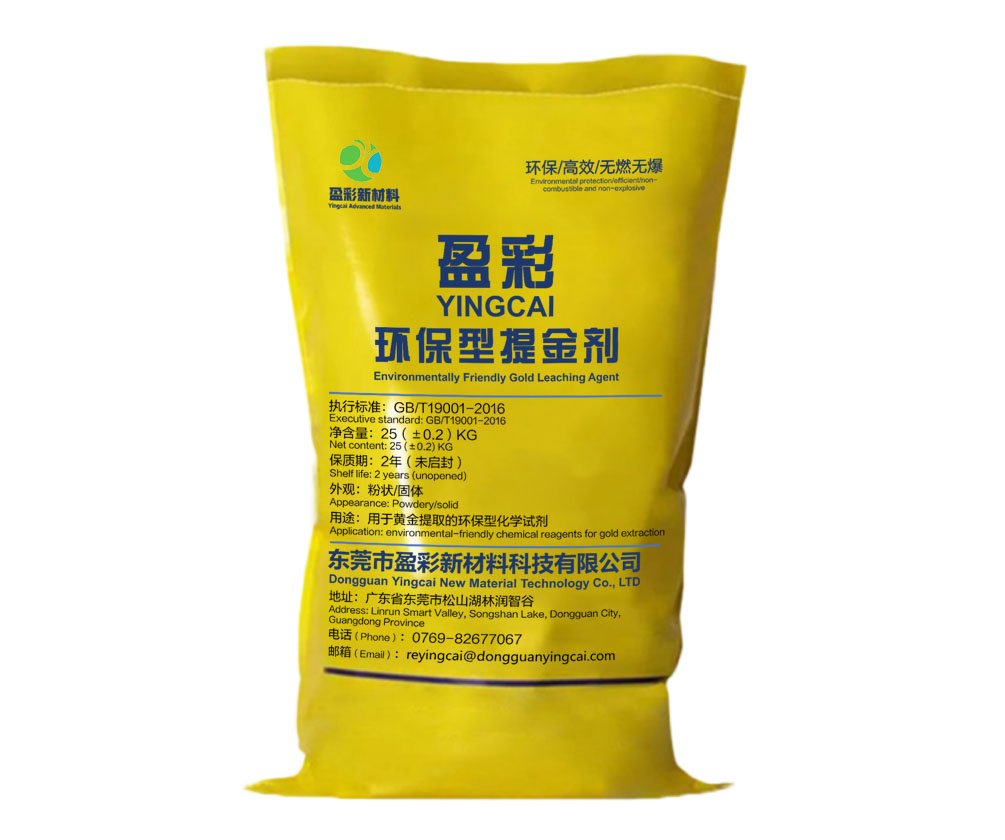
I’d like to share real operational experience based on our eco-friendly gold leaching reagent from Dongguan Yingcai New Material Technology Co., Ltd. We have been delivering bulk shipments to licensed gold mines in Indonesia for years, so I will stick to practical know-how instead of empty theories.
First, let’s talk about the local regulatory environment in Indonesia. Cyanide is classified as Class B highly hazardous toxic chemical in Indonesia. Import registration, warehouse storage and tailings monitoring are subject to increasingly strict rules. Local authorities are cracking down hard on unlicensed cyanide circulation. Many legal, licensed gold mines are actively evaluating cyanide-free alternatives to reduce environmental risks and avoid production shutdowns.
But there is a common problem. Many domestic cyanide-free reagents show good results in bench-scale lab tests. Once shipped to mine sites in Indonesia, performance drops sharply under high temperature, high moisture in rainy seasons and clay-rich oxidized ore. This is the main reason many mine owners get satisfying sample trial results but fail during full-scale production.
Most gold ores in Indonesia are oxidized or semi-oxidized with high clay content. The climate stays hot all year round with heavy rainfall. It is hard to keep stable moisture in heap leaching pads. Rainfall dilution and temperature fluctuation directly interfere with leaching performance. Reagents for this market must feature good stability against interferences and flexible process adaptability, different from mines in arid regions of China.
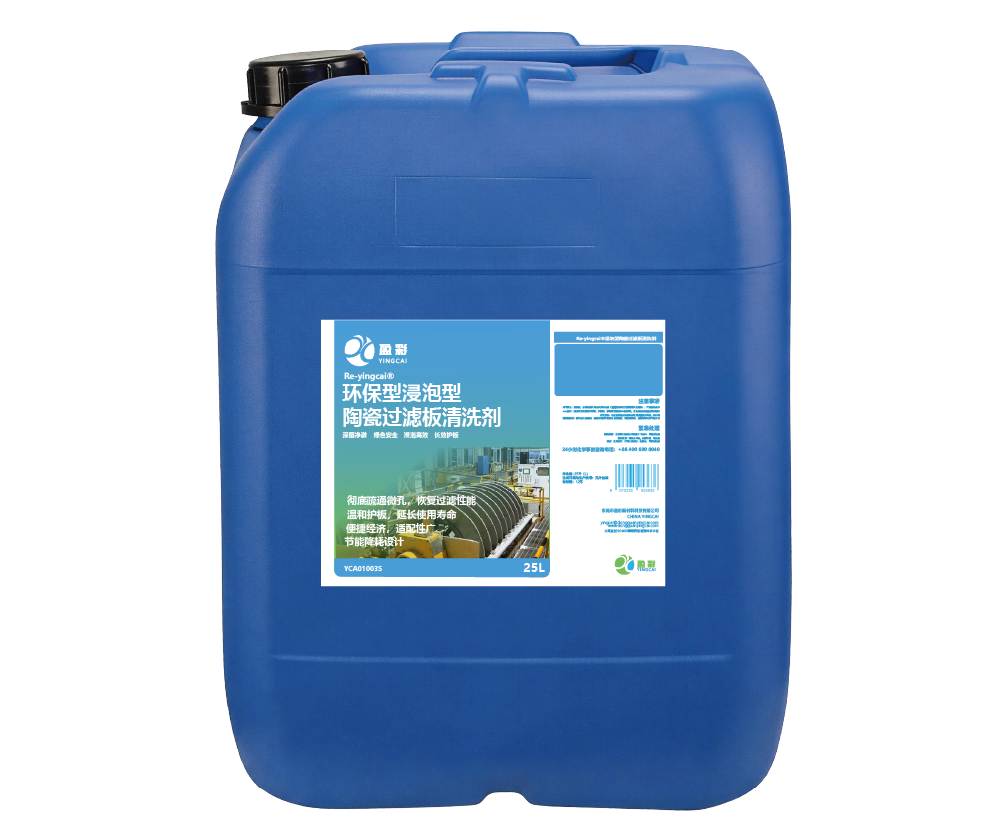
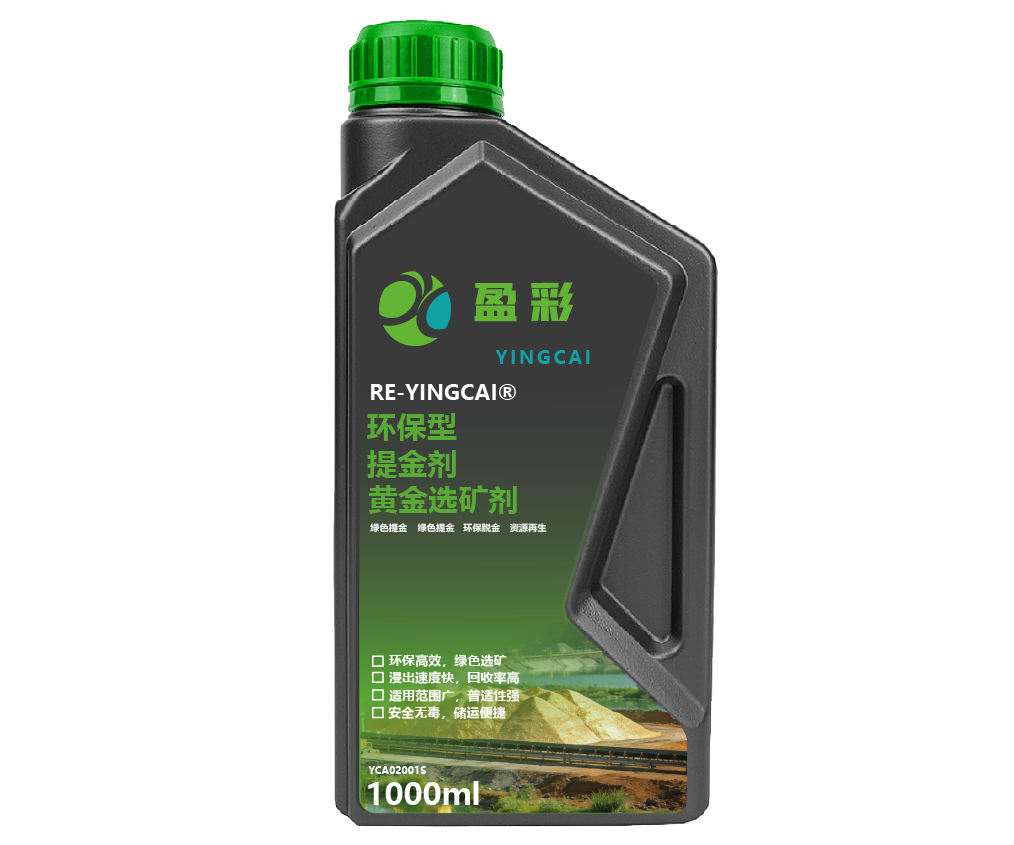
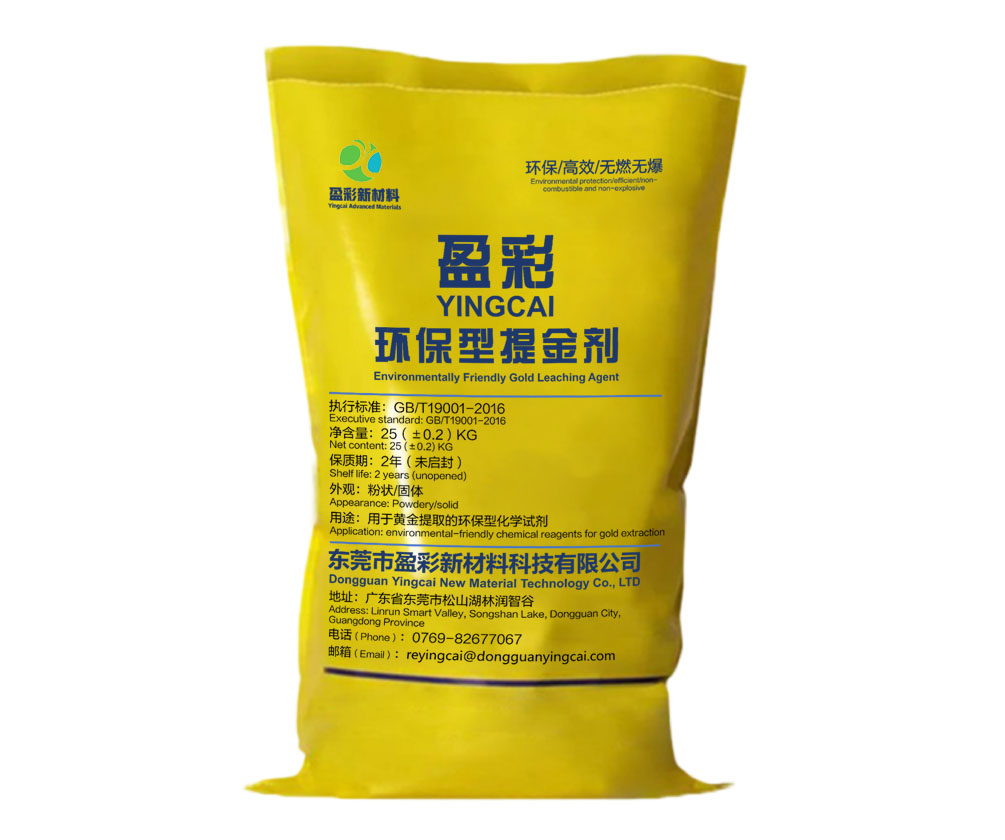
This eco-friendly gold leaching reagent is a low-toxic cyanide-free leaching chemical. It extracts gold through coordination complexation and works well for oxidized and semi-oxidized surface gold ore.
I need to state its application limits objectively without overpromising: It is not suitable for direct heap leaching of high-sulfur, high-arsenic primary sulfide ore. Pre-treatment is required for such ore, otherwise gold leaching recovery will be unsatisfactory. Compared with traditional sodium cyanide, its reagent cost is relatively higher, and the leaching cycle is longer. Mineral composition of ore has a decisive impact on final recovery. Ore sample testing must be carried out before any project to confirm feasibility. Do not launch production only based on theoretical data.
Its main advantages over cyanide lie in safety and environmental protection. It is low-toxic, so on-site workers have lower protective requirements. The leaching toxicity of tailings is easier to meet local environmental standards, which greatly simplifies tailings filing and EIA approval. Our partner mines in Indonesia have run continuous production for years under persistent high temperature. Index fluctuation in rainy seasons stays within an acceptable range.
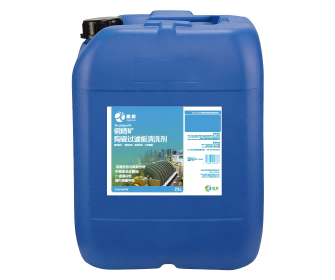
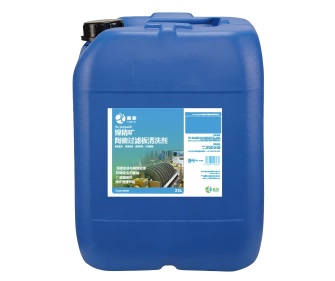
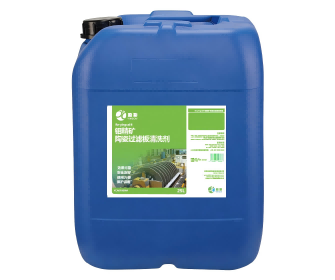
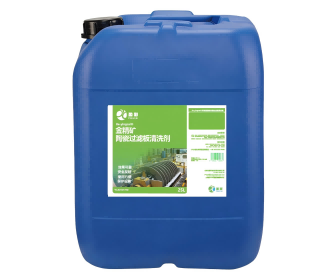
Many people assume overseas supply is just packing chemicals and arranging sea freight. In fact, compliance documents and packaging standards bring extra challenges. Import of chemicals into Indonesia requires complete MSDS and chemical specification documents. Our reagent is packed in standard 25kg industrial packaging with full supporting paperwork. We have completed many sea shipments smoothly over the years, avoiding cargo detention at port and expensive demurrage fees.
Supplying chemical is only one part of an overseas mining project. Our full service includes ore sample receiving, lab leaching test and assessment report, preparation of export compliance documents, shipment arrangement, and post-delivery online technical guidance. We adjust reagent dosage, heap leaching pH and other parameters according to local rainfall and temperature.
Local workers in Indonesian mines have different operation habits compared with Chinese mine crews. We cannot copy domestic process parameters directly. We simplify operation steps to lower trial-and-error risks on site.
I have seen many Indonesian mine owners fall into the same trap: buying cheap cyanide-free reagents from unknown suppliers. Bench tests look fine, but gold recovery keeps falling after large-scale heap leaching. Some reagents decompose fast under high temperature, pushing consumption far above budget. Some suppliers only sell goods without complete import documents, resulting in cargo seizure at customs.
A reminder for mine operators sourcing cyanide-free gold leaching reagent overseas: quotation and lab reports are just references. Priority should be given to suppliers with proven long-term bulk supply records in overseas mines. Ore testing, on-site technical support and complete import compliance documents are all essential.
From an industry perspective, stricter environmental supervision in Southeast Asian mining is an irreversible trend. Mines across Indonesia are searching for reliable cyanide substitutes. But cyanide-free gold extraction is not simply swapping one chemical for another. It requires adjustment of the whole mineral processing flow. Do not expect the new reagent to deliver identical performance as cyanide automatically.
Ore property always decides leaching results. Any discussion of reagent performance without ore sample analysis is meaningless.
This article is for technical exchange of mineral processing only. It is written for legal and licensed mines in Indonesia. We do not support any unregulated or illegal mining activities. Feel free to leave comments if you have questions about gold ore leaching or chemical export for mining.
#MineralProcessing #CyanideFreeGoldLeaching #OverseasMining #IndonesiaGoldMine #GoldHeapLeaching
Share


